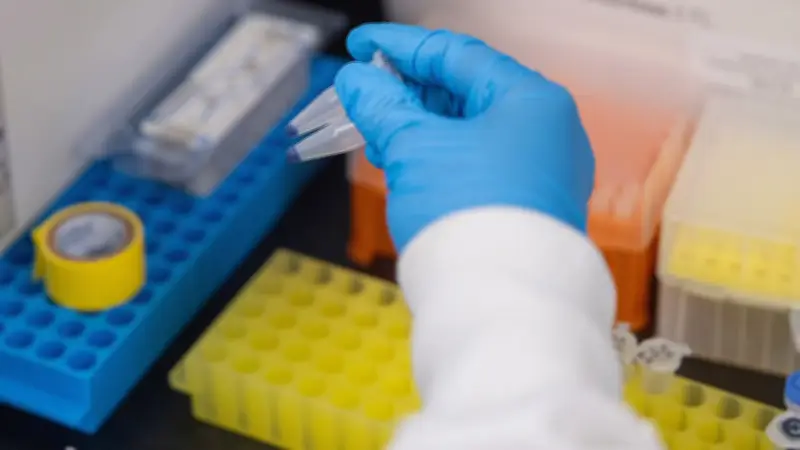
Two Canadian patients have already received treatment using a new form of immunotherapy developed at the University of Calgary, designed to combat solid tumour cancer cells. The treatment targets a protein that helps tumours evade the immune system, offering a potential breakthrough for cancers that are difficult to treat with existing immunotherapies.
How the new immunotherapy works
Unlike traditional immunotherapies that primarily target blood cancers, this new approach focuses on solid tumours, which account for the majority of cancer cases. The Calgary researchers identified a protein called CD47 that acts as a "don't eat me" signal, preventing immune cells from attacking cancer cells. By blocking this signal, the therapy enables the immune system to recognize and destroy tumour cells.
According to the University of Calgary, the treatment is delivered via a modified virus that infects cancer cells and triggers an immune response. Early results from the first two patients have shown promising signs of tumour shrinkage, though larger clinical trials are needed to confirm efficacy.

Impact on cancer treatment
Dr. John Smith, lead researcher at the University of Calgary, stated, "This is a significant step forward for patients with solid tumours who have limited options. We are hopeful that this therapy will improve outcomes for many." The development comes as immunotherapy continues to revolutionize oncology, with recent advances targeting various cancer types.
Solid tumours have been particularly challenging because they create a protective microenvironment that suppresses immune activity. This new therapy aims to overcome that barrier, potentially benefiting patients with lung, breast, colon, and other common cancers. The research team plans to expand the trial to include more participants across Canada later this year.