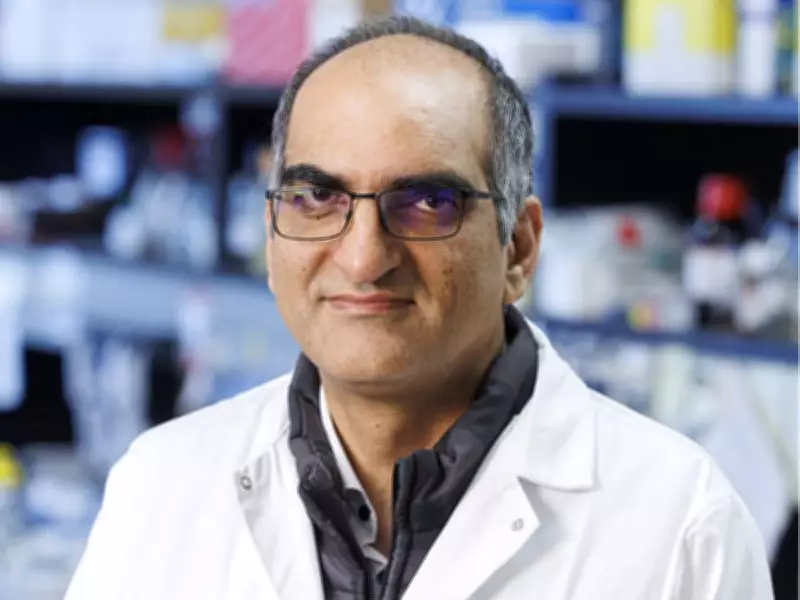
University of Saskatchewan's Dr. Neeraj Dhar is developing 'organoids' — donor tissue engineered in a lab to mimic various organs — to advance tuberculosis research at the Vaccine and Infectious Disease Organization (VIDO). This innovation promises to reduce reliance on animal testing and improve the accuracy of therapeutic development.
Organoids: A New Frontier in Research
Dr. Dhar and his team are creating organoids that replicate human organs, allowing for more precise testing than traditional animal models. 'When we do a lot of studies in the lab, we often use animal models,' Dhar explained. However, differences in physiology between animals and humans often lead to failures in translating therapeutics. Organoids address this by recreating 3D organs from target species, enabling less destructive and more accurate testing.
Advanced Immune Organoids for Tuberculosis
While organoids have existed for some time, only a few labs globally are applying them to tuberculosis research. Dhar's lab focuses on lung organoids sourced from human pulmonary tissue, but the novel aspect is the development of 'advanced immune organoids' that mimic the human immune system. These organoids can respond more accurately to treatments like vaccines and antibiotics, particularly for TB.

Generating immune organoids poses challenges due to their novelty and tissue shortages. However, funding from the New Frontiers in Research Fund has enabled progress, and collaboration with international experts is proving vital.
Global Collaboration
Dhar's team is partnering with Dr. Eliza Fong's biomedical engineering lab at the National University of Singapore. Fong specializes in developing immune organoids for therapy, including patient-derived lymph node explants that can be kept alive for seven days. 'My lab will provide Dr. Dhar's group with the know-how to culture these lymph node explants,' Fong wrote, enabling the use of different models to answer immunological questions without relying on animals.
Reducing Animal Testing
This shift to organoids benefits animal rights and research accuracy. Voluntary human donors are essential, and even when generating organoids from animals, only tiny tissue samples are needed, which can expand almost endlessly. This approach reduces the need for whole animals and improves the translational value of research.