Two patients in Calgary have seen rare solid cancerous tumours significantly reduced or eliminated after receiving an experimental therapy partly developed by University of Calgary researchers. The treatment, known as GCAR1, is a type of chimeric antigen receptor (CAR) T-cell therapy that trains a patient’s immune cells to recognize and attack tumours that have proven resistant to other therapies.
Promising early results for alveolar soft cell sarcoma
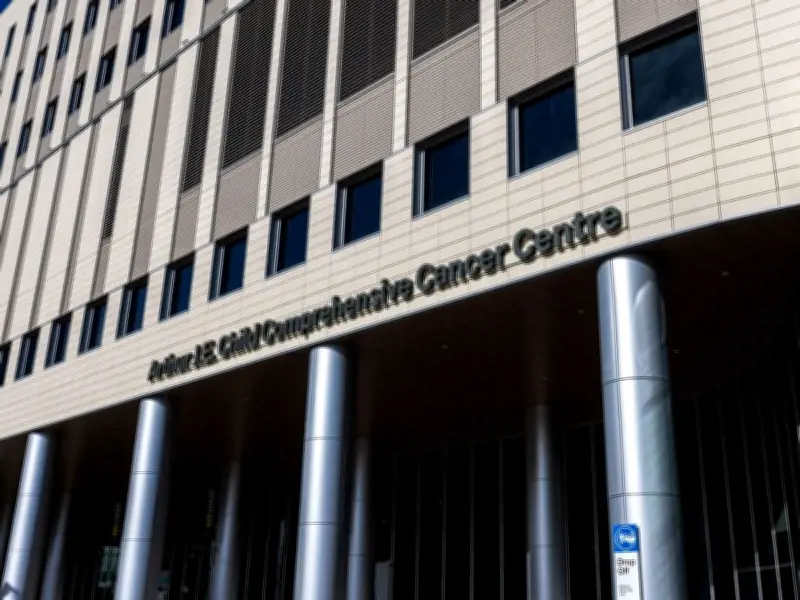
The patients suffered from malignant alveolar soft cell sarcoma, a rare and aggressive cancer. One subject, Stephanie Alain, has considerably outlived her 18-month life expectancy. Another patient, 55-year-old Kent B., underwent the therapy alongside conventional immunotherapy at Calgary’s Arthur J.E. Child Comprehensive Cancer Centre and has seen tumours in his lungs noticeably shrink or disappear.
Rapid progress from lab to clinic
Dr. Francis Zemp, an adjunct assistant professor in the Department of Biochemistry and Molecular Biology at the University of Calgary, noted the extraordinary speed of the research. “Within six months of building the medicine we had data back from mouse studies. The results were so striking we were able to get approval and move the therapy to a patient in 2023,” he said. “That speed of translation from the lab to the clinic is remarkable.”

The findings have been published in the journals Nature and Nature Cancer, where the therapy is presented as a foundation for treating rare solid tumours. While the work is still in its early stages, Calgary researchers are hopeful that their approach can become a game-changer in fighting the most resistant cancers.
Future directions for GCAR1
Research from Kent B.’s therapy is already being applied to develop a more advanced version of the GCAR1 approach. The University of Calgary team continues to refine the treatment, aiming to expand its applicability to other hard-to-treat solid tumours.