When it comes to getting older, many factors contribute to a fulfilled, healthy life beyond just working out and eating vegetables. Dr. Parul Goyal, a geriatrician at Vanderbilt Health in Nashville, explains that aging well consists of three components: physical health, emotional connection, and mental support. These elements together help you live a rewarding and lively life. Geriatricians share signs that you are aging well and offer advice if you feel you are not meeting the mark.
You Take Time to Learn New Things
As we age, opportunities to absorb new information become fewer. Goyal emphasizes the importance of cognitive health, encouraging patients to learn new skills such as a game, exercise, language, or musical instrument. This helps form new brain pathways, keeping you cognitively strong.
You Are Honest About Your Needs
Robyn Golden, associate vice president of social work and community health at Rush University Medical Center, notes that aging well requires being upfront about your needs. Ageism can make people feel like a burden, but it is important to share feelings of loneliness or need for companionship. If you struggle with depression or anxiety, let your doctor know—treatment is available at any age.

You Have a Community
Loneliness and isolation are significant issues, with the U.S. surgeon general declaring an epidemic of isolation. Goyal stresses the importance of social connections with friends, family, church, or community groups. Dr. Lee Lindquist, chief of geriatrics at Northwestern Medicine, adds that socializing stimulates the brain, preventing cognitive decline. This can include in-person conversations, phone calls, Zoom interactions, or book clubs.
You Prioritize Your Physical Health
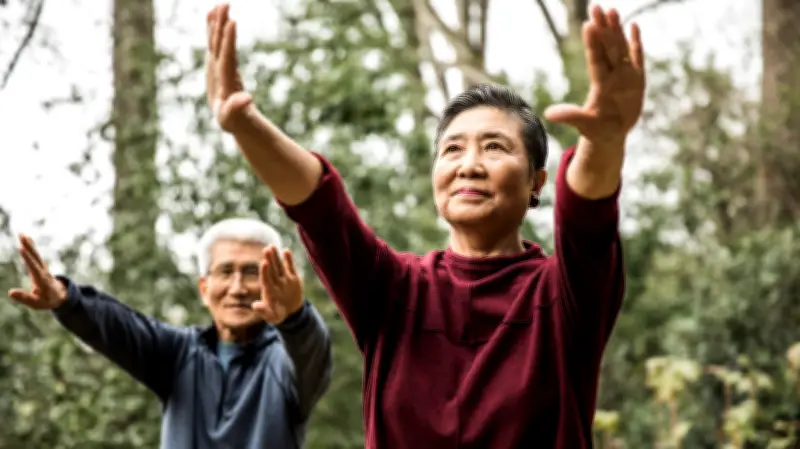
Eating nutritious foods and exercising are vital at any age. Goyal recommends a diet rich in fruits and vegetables, combining elements of the Mediterranean diet and the DASH diet (low sodium for blood pressure). Staying hydrated and engaging in physical activity are also crucial. Lindquist advises against avoiding movement due to fear of falling, as inactivity increases fall risk. Exercise like walking, tai chi, weight lifting, pilates, yoga, and cardio (walking, biking, swimming, running) help maintain muscle mass and heart health.
You Do Things You Enjoy
Lindquist values people who engage in activities that bring enjoyment, even with chronic illnesses. Managing care and doing your best allows you to continue hobbies, travel, or family games. Golden warns that boredom is a red flag; feeling the day is very long is not a good sign. Combat boredom with hobbies, volunteer work, or time with loved ones.
You Talk to Your Doctor About Medications
Medications prescribed in your 50s may not be necessary later. Lindquist advises discussing de-prescribing with your doctor, as your body changes and some drugs may become unnecessary or harmful. For example, stress medication might not be needed after retirement.
You Plan for the Future
Planning ahead for potential hospitalization, falls, or memory loss is crucial. Lindquist recommends discussing your wishes with family and friends to ensure your voice is heard. This includes conversations about support needs or downsizing to a safer home. Start planning at retirement, and update plans as life changes. For resources, Lindquist co-created Plan Your Lifespan, a free future-planning tool for older adults.
If you have not prioritized these things, do not panic. Start now, as early as your 30s or 40s, to build healthy habits for your golden years. Golden reminds us that chronological age does not define well-being; it is how you feel that matters. Prioritize relationships, physical and mental health, and future plans to feel good at any age.