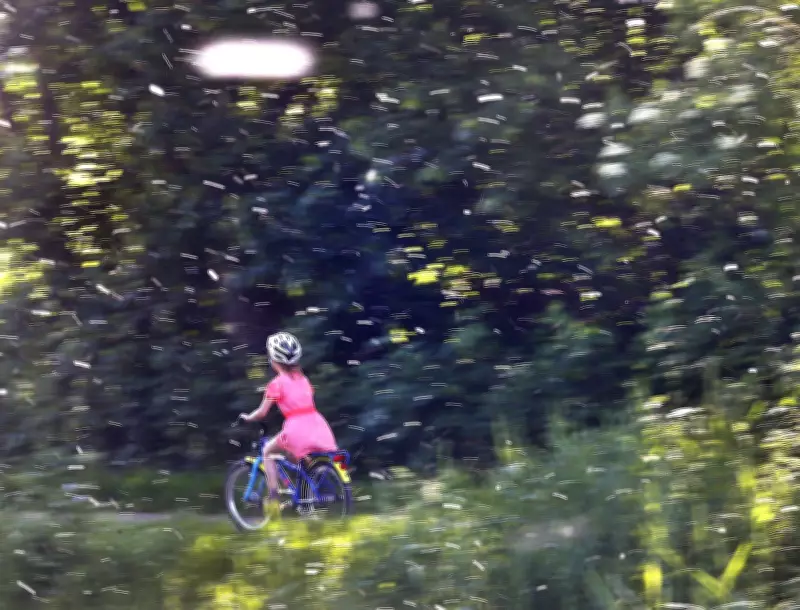
Health experts are raising alarms that seasonal allergies are becoming more severe and prolonged, attributing the trend to rising pollen levels linked to climate change. A report from The Canadian Press highlights that warmer temperatures and extended growing seasons are causing plants to produce more pollen for longer periods, exacerbating symptoms for millions of allergy sufferers.
Why Allergies Are Getting Worse
Dr. Emily Foster, an allergist at Toronto General Hospital, explains that the combination of higher carbon dioxide levels and warmer weather stimulates plants to grow faster and release more pollen. "We are seeing a clear increase in pollen counts across North America," she says. "This means more intense and longer allergy seasons."
According to recent studies, the pollen season now starts about 20 days earlier than it did in the 1990s and lasts up to 10 days longer. This shift is particularly noticeable in regions like Ontario and British Columbia, where tree and grass pollen have spiked dramatically.

Impact on Public Health
The worsening allergies are leading to a rise in doctor visits, prescription medication use, and missed work or school days. Children and the elderly are especially vulnerable. "We recommend that patients start taking antihistamines before symptoms appear and consider using air purifiers at home," advises Dr. Foster.
Climate scientists warn that without significant reductions in greenhouse gas emissions, pollen levels will continue to rise. "This is a direct consequence of a warming planet," says Dr. Mark Roberts, a climatologist at the University of Waterloo. "We need to address climate change to mitigate its health impacts."
For now, allergy sufferers are advised to monitor local pollen forecasts, keep windows closed during high pollen days, and shower after outdoor activities to remove pollen from skin and hair.