If you have spent any amount of time online recently, you have probably noticed that one particularly ugly descriptor has been making an unfortunate comeback. The R-word, a slur historically used against people with intellectual disabilities, has quietly reentered mainstream speech after spending roughly a decade in cultural exile.
The 'Euphoria' Controversy
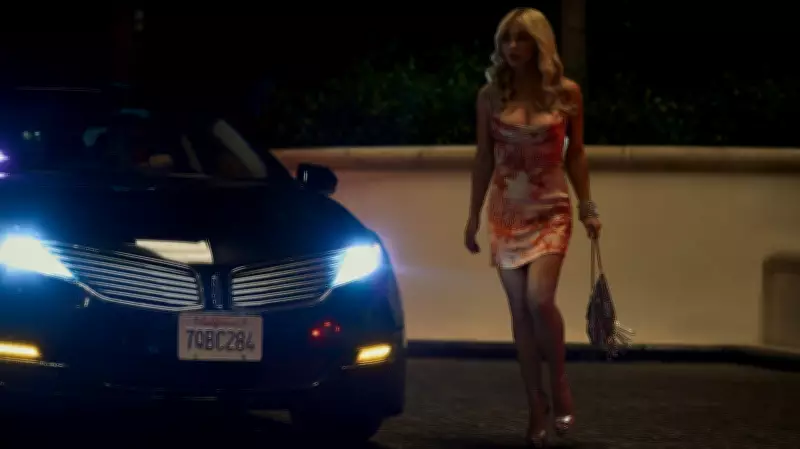
Recently, there has been some online conversation about how the newest season of Euphoria has used the slur repeatedly, with the word appearing in three of the first four episodes, according to Teen Vogue. Some critics argue the show is normalizing the term for a younger audience, but the truth is more complicated: Euphoria did not resurrect the R-word but is actually reflecting a broader cultural shift that has been happening for years.
Origins of the Resurgence
Some theorize the slurs return coincided with a wider backlash against the hyper-policed language culture of the early 2020s. After years of public callouts, many young people developed a resentment toward what they saw as performative political correctness. Around 2022, when the horrors of the pandemic felt like they were behind us, the first rumblings of the R-word being used again were heard. Its use has only spread since then.

Figures such as Joe Rogan, Elon Musk, and Kid Rock have all casually used the word in public over the past several years, helping reintroduce it into the mainstream. But it is not a purely right-wing phenomenon. Even in deeply progressive spaces, including liberal circles in Brooklyn, younger people, many of them left-leaning, have been slipping the word back into everyday lexicon.
Exhaustion with Language Politics
This shift, in part, stems from exhaustion. Many people feel burned out by the language politics of the social media era, where morality can feel performative, another form of social capital. In some ways, that sentiment is relatable. In many cases, verbal sensitivity does not usually equate to actual equity and protection of our most vulnerable communities.
But for some reason, the R-word has become the slur people feel strangely comfortable making exceptions for in order to appear not too woke. The question remains: why is the disability community, of all minority groups, catching strays?
Segregation and Distance
People with intellectual disabilities are still very segregated in our culture, and many of us simply do not interact with people who are directly harmed by this language. Perhaps it is that distance that makes it easier for the slur to feel harmless. Still, disability advocates and people with intellectual disabilities have repeatedly expressed that the word is dehumanizing.
This is part of the reason that, in 2010, the federal government signed Rosa's Law, which retired the term mental retardation and replaced it with intellectual disability. The return of the R-word signals a broader and darker cultural regression. Although Euphoria may not have caused that shift, its use of the slur reflects how normalized this rhetoric has become among young people who are growing increasingly numb and perhaps less empathetic in general.
Reinforcing Culture
When a show with enormous influence on youth culture casually reintroduces slang that disability advocates have spent years fighting against, it sends a message that the R-word is simply part of our everyday vocabulary once again. What TV writers on this show, and every other wildly popular one, might want to keep in mind is that they are not just reflecting current culture; they are reinforcing it too.