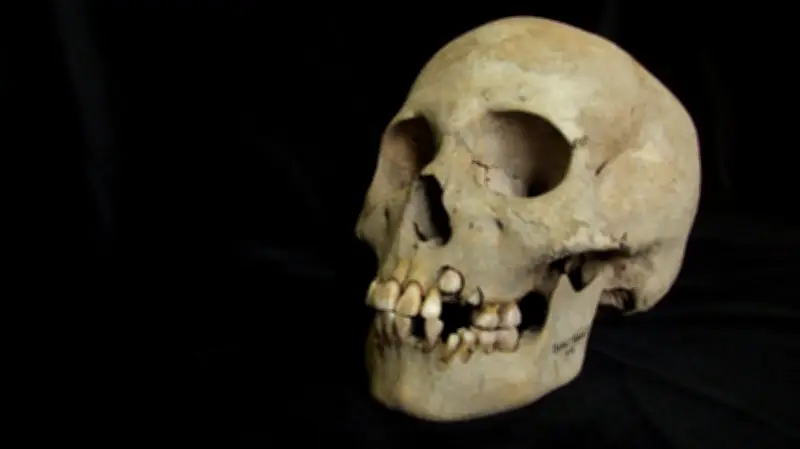
Scientists have found the oldest known evidence of the plague, dating back about 5,500 years ago — some 200 years earlier than previously thought. The disease has sickened humans for thousands of years and wiped out a significant chunk of Europe’s population in the 14th century during the Black Death. Though rare, the plague is still around today and is treated with antibiotics.
Discovery in Siberian Cemeteries
Researchers led by Eske Willerslev, an evolutionary geneticist at the University of Copenhagen, examined remains from four cemeteries near Siberia’s Lake Baikal. They found plague DNA in teeth from 18 ancient hunter-gatherers. Carbon dating revealed two outbreaks, with the first cases around 5,500 years ago.
The prehistoric plague developed in stages and infected several small families. It likely spread from marmots when people ate raw organs or touched infected hides during butchery. The disease also transmitted between people through coughing and sneezing.

Impact on Children
Many victims were young children aged 8 to 11. Three young girls were buried side by side, two of whom were likely cousins. An aunt and nephew were found together, but her niece was in a different shared grave, according to the study published in the journal Nature.
“People were around to bury the dead who knew who these people were when they were alive. And that’s a really human element to all of the scientific work,” said study co-author Ruairidh Macleod, who studies ancient DNA at the University of Oxford. Kids may have been at greater risk because their immune systems weren’t as strong.
Evolution of the Plague
Geneticist Aida Andrades Valtueña with the Max Planck Institute for Evolutionary Anthropology, who had no role in the study, said the presence of multiple victims suggests the prehistoric plague caused both individual cases and outbreaks. This ancient plague evolved long before bubonic plague, responsible for the Black Death, but was just as deadly. It decimated not only crowded cities but also small, nomadic hunter-gatherer groups.
“Understanding the steps that the bacterium took to become the deadly pathogen we know today can provide clues on how pathogens may emerge in the future,” Andrades Valtueña said.