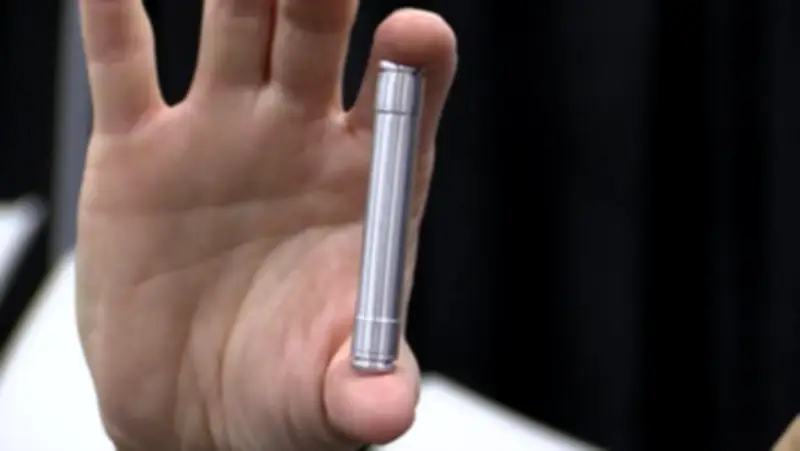
Bruce Power's nuclear reactors in Ontario are producing medical isotopes used for cancer treatment, highlighting that nuclear facilities contribute more than just electricity to the grid. According to a report by Scott Miller for CTV News London, the reactors create isotopes by inserting aluminum targets into the reactor core, where they are irradiated to produce materials essential for medical imaging and therapy.
How Medical Isotopes Are Made
The process involves placing specially designed aluminum targets into the reactor. These targets contain materials that, when exposed to neutron radiation, transform into medical isotopes such as molybdenum-99, which decays to technetium-99m, a key isotope for diagnostic imaging. Bruce Power is one of the world's leading producers of these isotopes, supplying hospitals across Canada and internationally.
Impact on Healthcare
Medical isotopes are critical for diagnosing and treating diseases like cancer. Technetium-99m is used in over 80% of nuclear medicine procedures, including heart and bone scans. The production at Bruce Power helps ensure a stable supply, reducing reliance on foreign sources. According to a company spokesperson, the initiative 'produces hope' for patients awaiting treatment.

Beyond Electricity Generation
Nuclear reactors traditionally generate electricity, but Bruce Power's isotope program demonstrates their versatility. The company has invested in dedicated facilities to produce isotopes without disrupting power output. This dual-use capability enhances the value of nuclear assets and supports healthcare systems.
Global Context
Other countries, such as the Netherlands and South Africa, also produce medical isotopes from research reactors. However, Bruce Power's use of commercial power reactors is a model for integrating isotope production into existing infrastructure. The Canadian Nuclear Safety Commission regulates the process to ensure safety and reliability.