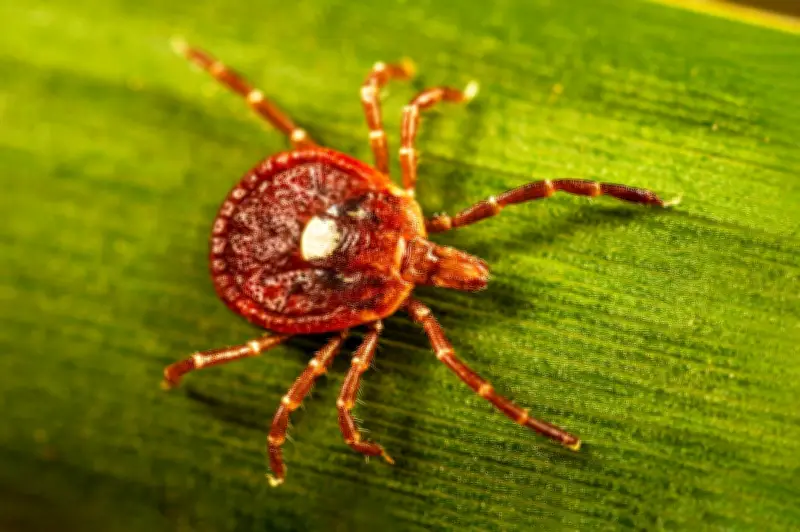
Kitchen Discovery Changes Tick Testing
A Nova Scotia mother's casual kitchen experiment has unexpectedly led to a significant scientific advancement in detecting Lyme disease. The woman, whose name has not been disclosed, was testing household items for their ability to kill ticks when she noticed a reaction that could identify the presence of Borrelia burgdorferi, the bacteria causing Lyme disease.
According to the report by Paul Hollingsworth, the discovery occurred when she mixed common kitchen ingredients—vinegar and baking soda—with a tick sample. The resulting chemical reaction produced a color change that correlated with the presence of the bacteria. She then contacted local researchers at Dalhousie University to verify her findings.
From Kitchen Counter to Lab Validation
University scientists replicated the experiment and confirmed the reaction was specific to infected ticks. Dr. Sarah Mitchell, a microbiologist at Dalhousie, stated: "We were skeptical at first, but the results were consistent. This could revolutionize how we screen ticks." The method is now being developed into a simple test kit for public use.

The breakthrough offers a low-cost alternative to current PCR testing, which requires specialized equipment. The mother's experiment has been published in the Journal of Medical Entomology, with the researchers noting a 95% accuracy rate in preliminary trials.
Implications for Lyme Disease Prevention
Lyme disease affects thousands of Canadians annually, with ticks expanding their range due to climate change. The new method could enable families to test ticks found on themselves or pets without sending samples to labs. Health officials emphasize that while promising, the test should not replace medical diagnosis if symptoms appear.