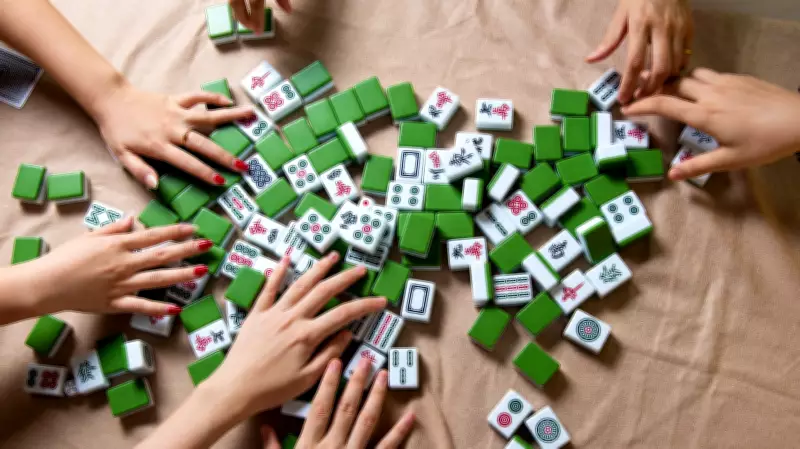
Designer mahjong sets, a mahjong-themed Hallmark movie, and scores of mahjong clubs in major cities mark a resurgence of the nearly 200-year-old tile game with Chinese origins in the United States. A century after its first American boom, mahjong is experiencing another moment stateside, drawing both enthusiasm and criticism.
Cultural Awareness and Criticism
As mahjong gains popularity among younger, often non-Asian players, concerns about cultural erasure and commercialization have emerged. Psychologist Han Ren, author of The Hyphenated Life, emphasizes that mahjong is not a new fad but holds deep cultural history in China, Taiwan, Singapore, Malaysia, and other Asian countries. Critics point to a lack of Asian representation in projects like Hallmark's upcoming All's Fair in Love and Mahjong and the rise of modernized sets that strip traditional symbols.
Mental Health Benefits
Mahjong offers more than entertainment; it provides social connection, mindfulness, and emotional well-being. Clinical psychologist Jenny Yip notes that mahjong builds connection, structure, and engagement without feeling like mental health care. Dr. Sue Varma highlights that the game requires four players, fostering accountability and consistent community, which are strong predictors of long-term health.

Social Connection and Belonging
Regular mahjong games reduce isolation and loneliness, especially for older adults, empty nesters, and those hesitant to seek emotional support. Licensed therapist May Han explains that isolation increases stress and mental health issues, while in-person rituals like mahjong offer protection. Mahjong clubs also build belonging, with a surge in popularity among mothers seeking friendship beyond their roles.
Mindfulness and Unplugging
Mahjong encourages players to put down phones, reducing stress and improving focus. Varma describes the game as inducing a flow state that interrupts rumination. Tiffany Dang, a licensed professional counselor, notes the mindfulness of using senses—touching tiles, hearing clinks, sliding across felt. The word mahjong translates to sparrow, mimicking sparrow chatter, and the shuffling provides a sensory reset that anchors attention and reduces anxiety.
Healthy Dopamine and Play
Play in adulthood is rare but powerful. Mahjong offers healthy dopamine hits from small wins, unlike doomscrolling. Caitlyn Oscarson, a marriage and family therapist, says regular gatherings provide structured time away from stress, making it easier to disconnect from obligations.
Intergenerational Bonds
Mahjong builds connections across generations, offering low-cost, accessible play anywhere. Therapist Tina Choi notes that Asian Americans use mahjong to connect with elders, fostering shared activities without relying solely on conversation. Psychologist Sally Chung adds that mahjong promotes cognitive stimulation and positive aging.
Cultural Heritage
For the Asian diaspora, mahjong connects to heritage and tradition. Choi describes it as a shared language for belonging, recalling older adults playing in Chinatown parks. The game offers a rare release for emotional expression, with banter and competitive play providing a safe space for loudness and drama, especially in cultures where emotional restraint is the norm.
Emotional Regulation and Resilience
Mahjong teaches emotional regulation through wins and losses. Oscarson highlights practicing managing emotional responses in a safe environment. Barbara To, a licensed professional counselor, notes the psychological flexibility required to adapt game plans. Varma emphasizes that shared emotions regulate nervous systems, as laughter and groans create micro-moments of connection.
Structure and Routine
Regular mahjong groups provide gentle structure for those with burnout or depression, offering behavioral activation. Varma values consistency, anticipation, and lowering the entry barrier to friendship. Having something fun to look forward to can change the tenor of a week.

Emotional Bonding Without Pressure
Han notes that mahjong offers a culturally familiar way to gather without emotional pressure. Conversation flows naturally, and vulnerability becomes easier as players relax and show real selves. Varma adds that the analog, in-person connection fills a need that digital substitutes cannot.
Cognitive Workout
Mahjong sharpens working memory, pattern recognition, and processing speed. Ren mentions the cognitive benefits of multitasking and maintaining a poker face. Studies suggest reduced risk of cognitive decline and dementia. Varma explains that planning, shifting strategies, and inhibiting impulses strengthen executive function, which applies to life management.