Vital medical research into Lyme disease at one of North America's leading institutions is facing an uncertain future. A flagship research program at Johns Hopkins University is now in jeopardy due to significant delays in the release of promised federal funds.
Funding Delays Threaten Critical Public Health Work
The research, focused on understanding and combating Lyme disease, has hit a major roadblock. Federal funding that was expected to support the ongoing work has been delayed, putting the entire project at risk. This comes at a time when tick-borne illnesses are a growing concern in many parts of Canada and the United States.
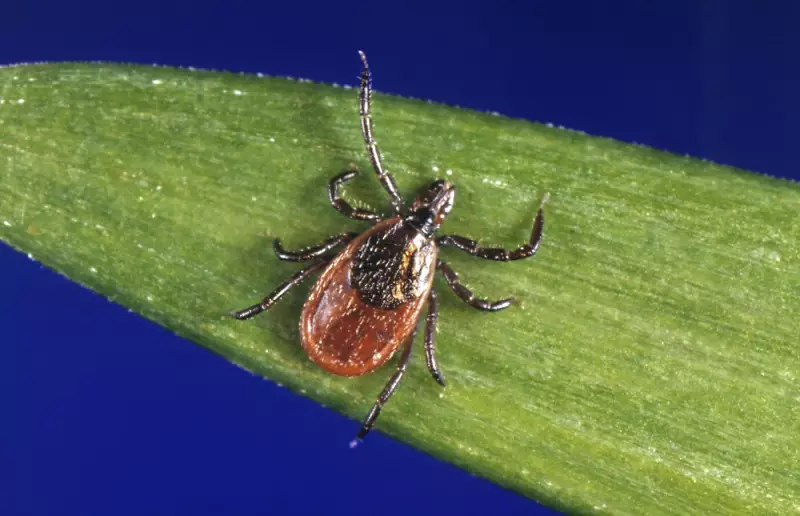
Lyme disease is transmitted through the bite of infected blacklegged ticks, also commonly known as deer ticks. The research at Johns Hopkins is aimed at improving diagnostics, treatment, and understanding of the long-term effects of the disease, which can be debilitating if not caught early.

The Stakes for Patients and Prevention
The potential halt of this research represents a significant setback for public health efforts. Progress on new treatments and preventive strategies could be stalled indefinitely without a steady flow of resources. Researchers involved in the project are now scrambling to find alternative funding or face the prospect of shutting down key experiments and dismissing specialized staff.
This situation highlights a broader vulnerability in how essential medical research is funded. Many projects rely heavily on time-sensitive grants, and bureaucratic delays can have cascading effects, wasting previous investment and losing crucial momentum.
A Call for Stable Research Investment
Advocates for Lyme disease patients and medical researchers are expressing deep concern. They argue that consistent and reliable funding is the backbone of scientific advancement in fighting complex diseases. The delays at the federal level threaten not just one project but the well-being of thousands who suffer from or are at risk of contracting Lyme disease each year.
As of the report on December 29, 2025, the timeline for resolving the funding issue remains unclear. The research community is watching closely, hoping for a swift resolution to protect this important work from being lost.