Global food prices have surged to their highest level in more than three years, driven by the ongoing conflict in Iran that has severely disrupted supply chains. The escalation raises the prospect of significantly higher grocery bills for consumers worldwide.
UN Food Price Index Rises for Third Consecutive Month
The United Nations Food and Agriculture Organization reported that its food-commodity price index increased by 1.6% in April compared to the previous month. This marks the third consecutive monthly gain and places the index 2.5% higher than the same period last year. The index tracks the costs of grains, sugar, meat, dairy, and vegetable oils.
Vegetable oils, meat, and cereals led the April increase, with the vegetable oils index climbing 5.9% from March to reach its highest level since July 2022. Elevated oil prices have boosted demand for biofuels, contributing to the rise.

Impact of the Iran War on Agriculture
The war in Iran, now in its 10th week, has effectively shut the critical Strait of Hormuz. This has pinched the flow of essential farm inputs such as diesel and fertilizer, driving up prices. These higher costs threaten to curb farmers' production, which will eventually filter down to food prices for consumers.
FAO chief economist Máximo Torero warned that while the agri-food industry remains resilient for now by selling already-produced stock, this situation will change quickly. As commodity and energy costs are transmitted through the supply chain, consumers will feel the impact.
Potential for a Food Crisis
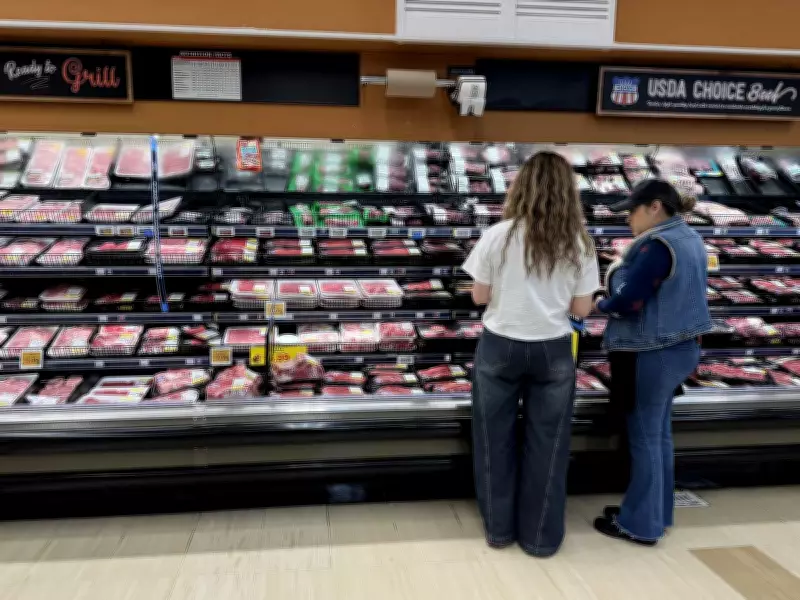
Torero emphasized that if the conflict continues to day 90, the possibility of a significant food crisis becomes much higher in late 2026 and into 2027. The index monitors raw commodity costs, not retail prices, so there is a lag before farmgate increases reach consumers. However, the gains from March are the first sign that food inflation is likely to pick up.
The meat index climbed 1.2% to a record high, while the cereal price index rose 0.8% due to weather concerns and expectations of reduced wheat plantings in 2026. Farmers are considering sowing less fertilizer-intensive crops as input costs remain high.
Outlook
Even as Iran weighs a United States-proposed deal to end the war that began at the end of February, the current trajectory points to sustained upward pressure on food prices. The consecutive monthly gains in the FAO index underscore the fragility of global food supply chains amid geopolitical tensions.