Chronic vein disease, also known as chronic venous insufficiency, is a condition that affects between 20% and 25% of Canadian adults, with a higher prevalence among those over 50, according to the Canadian Society for Vascular Surgery. The condition occurs when weakened vein valves allow blood to pool in the lower legs, leading to symptoms such as swelling, cramping, heaviness, varicose veins, restless legs, itching, or skin changes near the ankles.
Why Physically Demanding Jobs Increase Risk
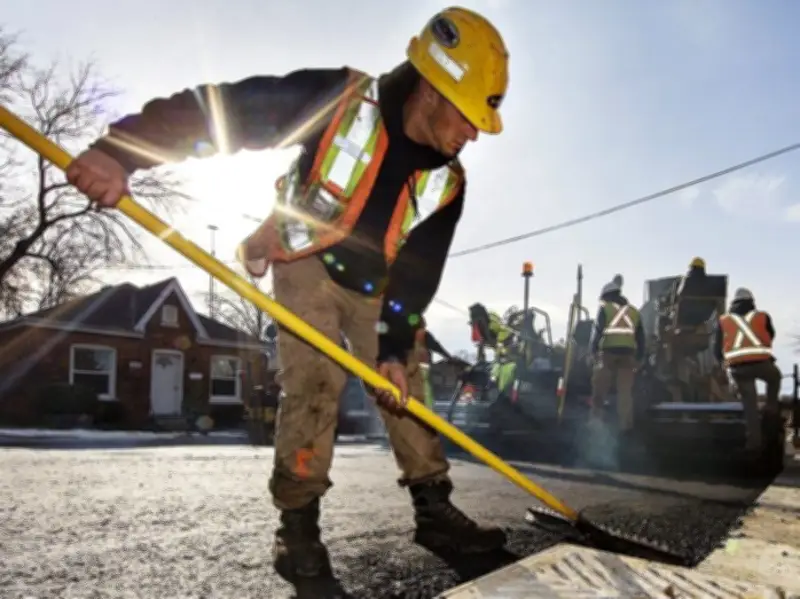
Workers in sectors including construction, manufacturing, warehousing, transportation, and healthcare are particularly susceptible due to prolonged standing, heavy lifting, and operation of machinery. These industries are disproportionately held by men, who often dismiss early warning signs as ordinary job-related fatigue. Dr. Sanjiv Lakhanpal, president and chief executive of the Center for Vein Restoration, emphasized that many working men assume leg discomfort is just part of the job, which can delay diagnosis of a treatable medical condition.
According to Lakhanpal, the earliest signs of venous insufficiency are rarely dramatic. Fatigue in the legs after a shift or progressive swelling toward the end of the day are symptoms that men tend to absorb as ordinary, but they are clinical signals that warrant attention. Ignoring these symptoms can lead to more serious complications, including skin damage, blood clots, and chronic ulcers.

Diagnosis and Simple Preventive Measures
Venous insufficiency can be diagnosed with a thorough clinical exam and a non-invasive venous ultrasound, according to Niagara Vascular. Lakhanpal recommends several simple practices to incorporate into daily routines for those in physically demanding jobs. These include shifting standing position regularly to avoid continuous pressure on the same leg muscles, doing brief calf raises during breaks to support blood flow back toward the heart, elevating legs for a short period after long shifts, staying steadily hydrated, and monitoring for persistent ankle swelling or skin discoloration.
“What we see consistently is that men in physically demanding occupations treat discomfort as an expected part of the job,” Lakhanpal said. “That assumption can delay care for conditions that are both diagnosable and treatable. Symptoms deserve evaluation, not resignation.”
Chronic vein disease is not gender-specific, despite common perceptions linking vein issues primarily to women. Men in physically demanding roles are urged to pay attention to early warning signs and seek medical evaluation to prevent progression of the condition.