Medicated bandages, cryotherapy treatments, and duct tape are among the at-home solutions for warts. Warts are a stubborn, bothersome skin condition that can cause embarrassment. Board-certified dermatologist Dr. Blair Murphy-Rose explains that warts are extremely common and spread when the human papillomavirus (HPV) enters the skin through microscopic breaks or cuts.
Understanding Different Types of Warts
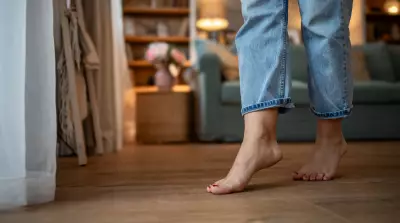
Common warts often appear on hands and fingers, while plantar warts develop on the soles of the feet and palms, becoming painful due to pressure. Flat warts, smoother in appearance, are typically found in clusters on the face, legs, or backs of the hands. Because warts are contagious and can recur, many seek at-home treatments.
How At-Home Treatments Work
Dr. Murphy-Rose states that the goal of wart treatment is to destroy or remove all virally infected skin cells, causing the wart tissue to break down, blister, or slough off. Over-the-counter options like cryotherapy kits and salicylic acid-based topicals are available, though they may be less effective than in-office procedures and can cause side effects such as irritation, burning, scarring, or pigmentation changes. She recommends treating warts early to prevent spreading or deeper growth.

Expert-Recommended Products
1. Cryotherapy Kit
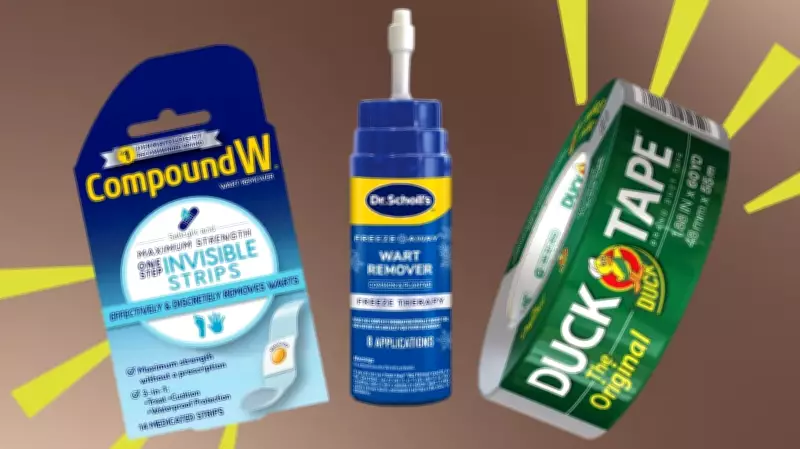
Board-certified dermatologist Dr. Noah Gratch suggests cryotherapy, which involves freezing the wart with liquid nitrogen. He recommends the Dr. Scholl's Freeze Away kit, which replicates the in-office process at home and claims to start working in one treatment. The kit includes a pressurized canister with 12 freezing applications, precision-tip applicators, and instructions. Compatible for common and plantar warts, reviewers find it effective and minimally painful.
2. 40% Salicylic Acid Wart Remover Stick
Dr. Murphy-Rose notes that salicylic acid-based treatments are available over the counter. The Wart Stick contains a 40% concentration in a convenient solid stick format. Effective for common and plantar warts, it has a non-greasy, waxy consistency and can cover larger warts that bandages cannot. This pain-free, odorless treatment offers up to 35 applications.
3. Freezing Kit with Precision Tips
Dr. Gratch also recommends the Skin Clinic advanced wart remover, which includes 12 application tips in two sizes for precise cryogen application, avoiding damage to surrounding skin. The medical-grade formula reaches -67 degrees for effective results.
4. Duct Tape for Occlusion Therapy
Occlusion therapy involves covering the wart with duct tape to restrict oxygen and suffocate the wart. Duck Tape is a classic option with strong adhesion, waterproof backing, and conformability to uneven surfaces. It may also be used post-treatment application.
5. Medicated Waterproof Bandages
Dr. Murphy-Rose advises keeping warts covered with a bandage to reduce spreading risk. Compound W bandages come in a discreet sheer material, pre-medicated with salicylic acid, and are waterproof with cushioning for comfort. Apply every 48 hours until the wart is gone.
6. Medicated Cushioning Pads for Plantar Warts
Dr. Scholl's treatment patches are formulated for plantar warts, containing 40% salicylic acid with a surrounding cushion for comfort on weight-bearing areas. They help treat warts while reducing pain from pressure.
7. Fresh Socks and Shower Slides
Warts can shed virus particles onto socks and shoes. Wearing clean socks daily and avoiding shared footwear reduces spread. A multi-pack of breathable cotton socks is recommended. Additionally, waterproof cloud slides protect feet in public showers or pools, where warts spread easily on moist skin.
Both experts advise consulting a dermatologist before starting any at-home treatment. These treatments are intended for common, plantar, and flat warts, not for genital warts.