Toronto Researchers Deploy AI to Combat Endometriosis Diagnostic Delays
In a groundbreaking development, researchers based in Toronto are harnessing the power of artificial intelligence to address the persistent and problematic diagnostic delays associated with endometriosis. This chronic condition, which affects an estimated one in ten women globally, often goes undiagnosed for years, leading to prolonged suffering and complications.
The Challenge of Endometriosis Diagnosis
Endometriosis is characterized by the growth of tissue similar to the uterine lining outside the uterus, causing severe pain, infertility, and other debilitating symptoms. Traditionally, diagnosis has relied on invasive surgical procedures, such as laparoscopy, which can be costly, time-consuming, and not readily accessible to all patients. This has resulted in an average diagnostic delay of seven to ten years, exacerbating patient distress and health outcomes.
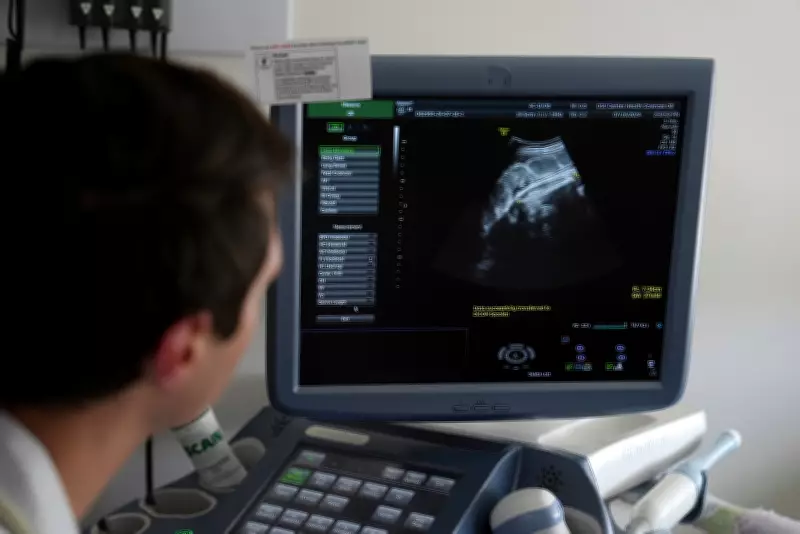
The innovative AI approach developed by the Toronto team aims to streamline this process by analyzing medical imaging data, such as ultrasounds and MRIs, with unprecedented accuracy. By training machine learning algorithms on vast datasets of patient scans, the system can identify subtle patterns and markers of endometriosis that may be missed by the human eye.

How AI is Transforming Diagnosis
The AI model works by processing imaging inputs to detect anomalies indicative of endometrial lesions. This non-invasive method could potentially reduce the need for exploratory surgery, allowing for earlier intervention and treatment. Early detection is crucial, as it can prevent the progression of the disease and improve quality of life for patients.
Key features of this AI-driven initiative include:
- Enhanced imaging analysis for faster and more precise identification of endometriosis.
- Reduction in diagnostic wait times, aiming to cut delays by up to 50%.
- Integration with existing healthcare systems to support clinicians in making informed decisions.
- Potential for remote diagnostics, increasing access for patients in underserved areas.
Implications for Healthcare and Future Directions
This research represents a significant leap forward in women's health technology, highlighting the role of AI in addressing long-standing medical challenges. The Toronto team's work could set a precedent for applying similar technologies to other conditions with diagnostic hurdles, such as certain cancers or autoimmune diseases.
Looking ahead, the researchers plan to conduct extensive clinical trials to validate the AI system's efficacy and safety. If successful, this tool could be implemented in hospitals and clinics worldwide, transforming the standard of care for endometriosis. By leveraging cutting-edge technology, this project underscores a commitment to advancing healthcare equity and improving patient outcomes through innovation.