Canadian Researchers Deploy AI to Accelerate Endometriosis Diagnosis
In a groundbreaking development for women's healthcare, researchers in Toronto are harnessing the power of artificial intelligence to tackle the persistent issue of diagnostic delays for endometriosis. This chronic condition, which affects an estimated one in ten women globally, often takes years to diagnose due to its complex and varied symptoms. The innovative AI system is designed to analyze medical imaging and patient data with unprecedented speed and precision, potentially slashing the time to diagnosis from an average of seven to ten years down to a matter of months.
Addressing a Critical Healthcare Gap
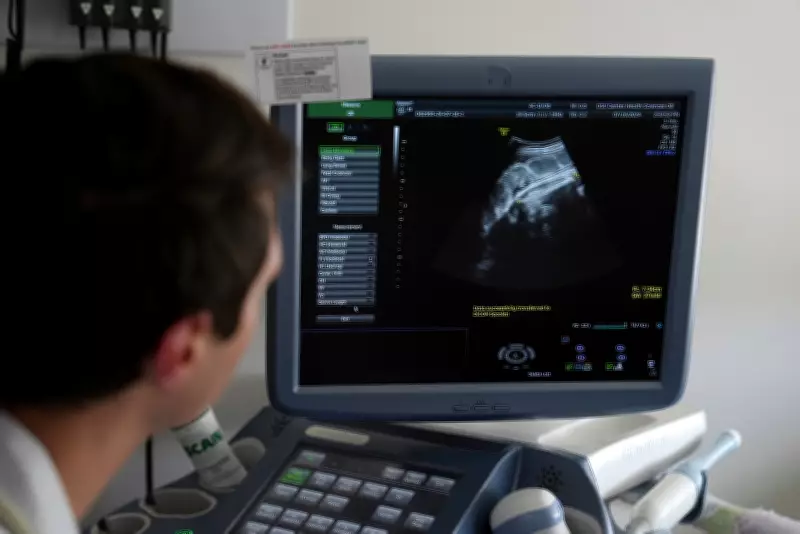
The project, led by a team of medical experts and data scientists, focuses on integrating machine learning algorithms with ultrasound and MRI scans. By training the AI on thousands of historical cases, the system can identify subtle patterns indicative of endometriosis that might be missed by the human eye. This approach not only accelerates the diagnostic process but also enhances accuracy, reducing the risk of misdiagnosis that often leads to prolonged suffering and ineffective treatments.
Endometriosis, characterized by tissue similar to the uterine lining growing outside the uterus, causes severe pain, infertility, and other debilitating symptoms. Traditional diagnostic methods rely heavily on invasive laparoscopic surgery, which can be costly and carry surgical risks. The AI-driven solution offers a non-invasive alternative, providing clinicians with a powerful tool for early detection and intervention.

Implications for Patient Care and Healthcare Systems
The implementation of this technology in Canadian healthcare settings promises significant benefits. Faster diagnoses mean earlier access to treatments such as hormone therapy or surgery, improving quality of life and reproductive outcomes for patients. Moreover, by streamlining the diagnostic pathway, the AI system could alleviate pressure on healthcare resources, reducing wait times and costs associated with prolonged diagnostic journeys.
The research team is currently collaborating with hospitals across Canada to validate the AI model in real-world clinical environments. Preliminary results show promising accuracy rates, with the system demonstrating the ability to flag potential cases for further review by specialists. This collaborative effort underscores a growing trend in medicine, where technology and human expertise converge to address longstanding challenges.
Future Directions and Broader Impact
Looking ahead, the researchers aim to expand the AI's capabilities to include predictive analytics, helping to identify individuals at high risk for endometriosis before symptoms fully manifest. This proactive approach could revolutionize preventive care, enabling targeted monitoring and early lifestyle or medical interventions. Additionally, the project's success may pave the way for similar AI applications in other areas of women's health, such as polycystic ovary syndrome or uterine fibroids.
The initiative reflects Canada's commitment to innovation in healthcare, positioning the country as a leader in leveraging AI for social good. As the technology evolves, it holds the potential to transform not only endometriosis care but also the broader landscape of chronic disease management. Patients and advocates alike are hopeful that this advancement will bring much-needed relief to the millions affected by this often-overlooked condition.