How Diet Affects Inflammatory Arthritis
There are about 350 joints in the human body, and inflammation in even a few can significantly impact daily life. Achy hands can make typing difficult, while pain in the back, knees, or feet can turn a short walk into a painful ordeal. For many, arthritis—defined as joint inflammation—is the underlying cause. Dr. Grace Wright, a consultant rheumatologist in New York City and founder of the Association of Women in Rheumatology, told HuffPost that arthritis comes in various types, each with distinct causes.
Rheumatoid arthritis, a chronic inflammatory disorder affecting an estimated 1.3 million people in the U.S., often begins in smaller joints like fingers and toes before progressing to larger joints such as ankles, knees, hips, and shoulders. "Recognizing early signs of arthritis is crucial for timely intervention and management," said Dr. Francisco Contreras, director of the Oasis of Hope Medical Institute in Tijuana, Mexico. Early indicators include persistent joint pain, stiffness, tenderness, swelling, reduced range of motion, fatigue, weakness, morning stiffness, and joint noises like grinding or cracking.
While dietary changes may not help all forms of arthritis, they can play a powerful role in reducing symptoms for rheumatoid arthritis and gout arthritis, both driven by inflammation. Doctors recommend minimizing five specific types of foods to alleviate pain.

1. Ultra-Processed Foods and Drinks
Dr. Contreras explained that ultra-processed foods—high in refined carbohydrates, unhealthy fats, added sugars, and artificial additives—can exacerbate joint pain and inflammation. Research shows that a high-sugar diet triggers an inflammatory response, worsening rheumatoid arthritis symptoms. Eliminating soda, boxed pastries, candy, and similar items may help reduce joint pain.
2. Cured or Processed Meats
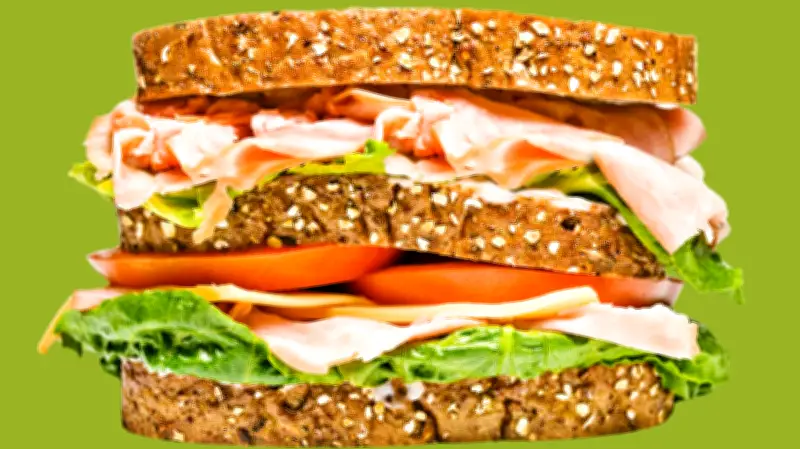
Dr. Wright noted that cured or processed meats like bacon, sausage, hot dogs, and ham can worsen both rheumatoid arthritis and gout. These meats are high in nitrates, preservatives linked to increased arthritis pain. Nitrates, like sugar, can cause an inflammatory response leading to joint pain. However, the effect is not immediate; a diet high in processed meat may result in joint pain years later. Cutting out these meats may not provide instant relief but can make a difference over time.
3. Fried Foods
Fried foods such as french fries, fried chicken, and onion rings can aggravate arthritis symptoms due to the oils used in cooking, which trigger inflammation. A diet high in trans fats—found in fried foods and considered the worst type of fat—can worsen gout symptoms because of its pro-inflammatory effect. Using an air fryer may be a healthier alternative.
4. Gluten (for Some People)
Cutting out gluten may help alleviate joint pain for individuals with celiac disease or gluten sensitivity, but it is unlikely to benefit those without sensitivity. Dr. Wright suggested trying a gluten-free diet for three months; if no improvement is noticed, gluten can be reintroduced. Anecdotally, she said many people with arthritis find relief from avoiding gluten.
5. Alcohol
Dr. Sonya Mehta, a rheumatologist at Intermountain Health in Las Vegas, explained that alcohol worsens inflammatory arthritis for several reasons. The breakdown of alcohol creates inflammatory compounds, directly triggering symptoms. Alcohol can also reduce anti-inflammatory gut bacteria while increasing pro-inflammatory bacteria, leading to an imbalance that may trigger rheumatoid arthritis. Additionally, alcohol weakens the immune system, making the body more susceptible to toxins that cause inflammation. Dr. Contreras added that alcohol can cause dehydration, reducing synovial fluid that cushions joints.

Anti-Inflammatory Foods to Include
All three doctors recommend an anti-inflammatory diet for people with inflammatory arthritis. Dr. Mehta advised eating leafy green vegetables, nuts, fatty fish like salmon, mackerel, tuna, and sardines (rich in omega-3 fatty acids), and fruits high in antioxidants such as berries and oranges. Both Mehta and Wright cited the Mediterranean diet—rich in whole grains, vegetables, fish, and unprocessed foods—as an effective eating plan for joint pain. Research supports the connection between the Mediterranean diet and improved rheumatoid arthritis symptoms.
Dr. Mehta emphasized that an anti-inflammatory diet benefits overall health and can help prevent chronic diseases like heart disease, type 2 diabetes, Alzheimer's disease, and certain cancers. "An anti-inflammatory diet is a good idea for anyone to follow, not just patients with inflammatory arthritis," she said. If you have questions about managing joint pain, consult your healthcare provider; dietary changes alone may not be sufficient, but they are a great starting point.