A new survey of U.S. physicians reveals that one in four believe there is a plausible chance that human bodies and brains preserved in deep freeze could be successfully revived in the future. The study, published in the journal PLoS One, also found that most doctors support intervening before death to improve preservation outcomes.
Survey Details
Researchers surveyed 334 U.S. physicians in October 2025, including 150 primary care doctors and 184 specialists such as neurologists, intensive care doctors, anesthesiologists, and palliative care physicians. Participants were asked: "How plausible do you find the idea that preservation could potentially allow for some form of revival in the future?" Overall, 27.9% answered "somewhat" or "very" plausible, while 47% responded "somewhat" or "very" implausible.
Preservation Techniques
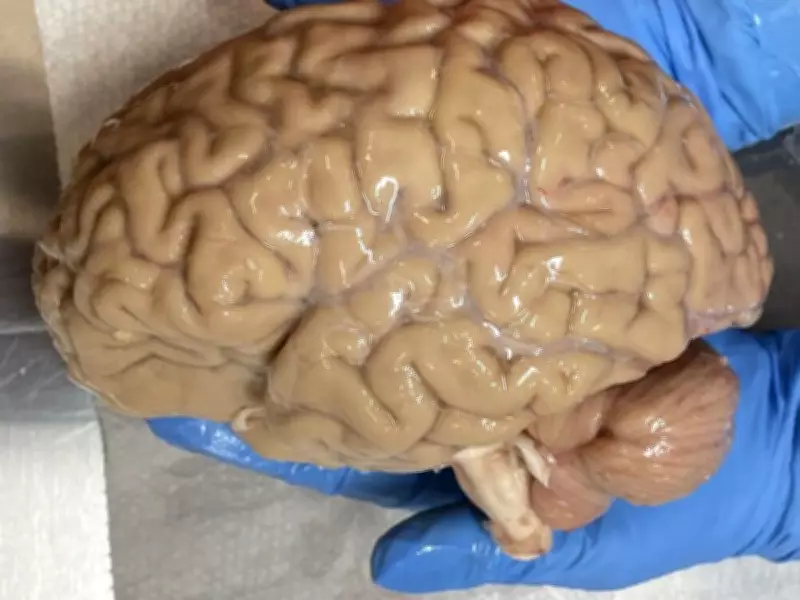
The study outlines two main cryopreservation methods: traditional deep-freezing with biological antifreeze to minimize ice crystal formation, and aldehyde-based fixation, a newer technique that injects a fixative before cooling to preserve the brain's connectome. The connectome, described by lead author Ariel Zeleznikow-Johnston as "all the individual neural connections that make us unique," is considered critical for potential revival.

Despite no successful revivals to date, hundreds of patients globally have been cryopreserved, with thousands more signed up. The authors note that while revival may be decades away, preserving the brain's connectome keeps the possibility open.
Physician Attitudes
The survey highlights a lack of consensus among doctors regarding whole body or brain preservation, creating challenges for physicians whose patients inquire about cryonics as an end-of-life option, including after medically assisted death. The authors emphasize that medicine faces a "tragic temporal mismatch" where terminally ill patients have a strong will to live, but life-extending treatments may not be available for years.