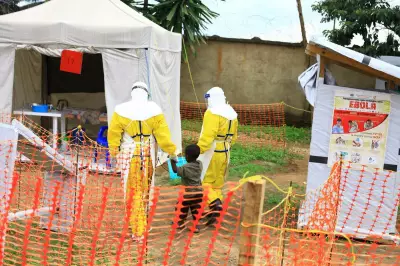
The World Health Organization has expressed deep concern over the 'scale and speed' of the Ebola outbreak in the Democratic Republic of Congo, which has now claimed 131 lives. The outbreak, which has been ongoing for several weeks, has shown a sharp increase in cases, raising alarm among global health officials.
Rising Cases and Deaths
According to the latest reports, the number of confirmed Ebola cases has risen dramatically, with health workers struggling to contain the spread. The WHO has warned that the situation could worsen if immediate measures are not implemented. The outbreak is concentrated in remote areas, making it difficult for medical teams to reach affected communities.
International Response
The international community has been urged to provide additional support, including medical supplies and personnel. The United States has already deployed a team of experts to assist in containment efforts. However, challenges such as limited infrastructure and local resistance to health interventions have hampered progress.

Background on Ebola
Ebola is a severe, often fatal illness in humans. The virus is transmitted to people from wild animals and spreads through human-to-human transmission. The average case fatality rate is around 50%, but it has varied from 25% to 90% in past outbreaks. The current outbreak is one of the largest in recent years.
Local Impact
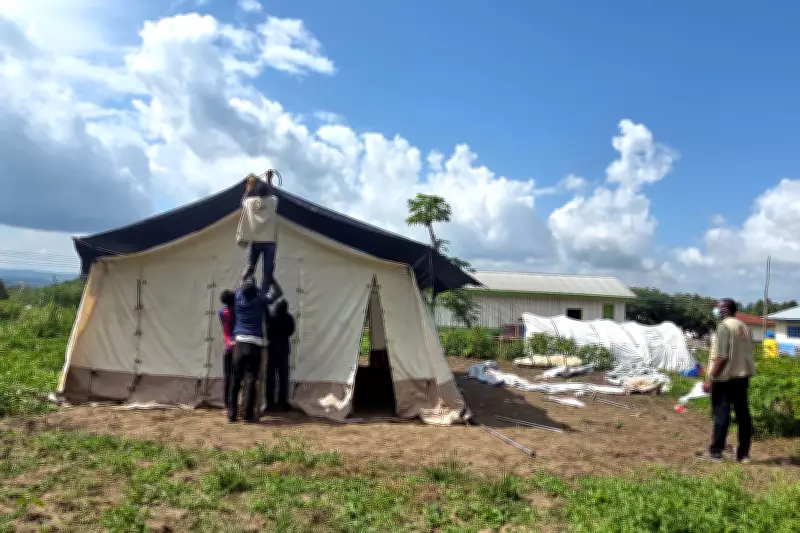
Communities in the affected regions are facing significant disruption. Health facilities are overwhelmed, and there are reports of shortages of essential supplies. The WHO is working with local authorities to strengthen surveillance and contact tracing efforts.
As the outbreak continues to evolve, global health officials remain on high alert, emphasizing the need for a coordinated response to prevent further loss of life.