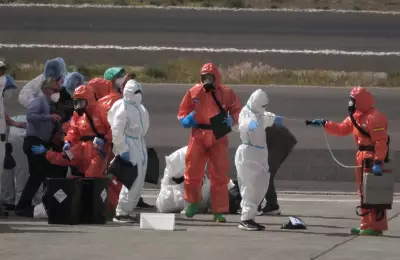
The World Health Organization has declared a global health emergency following an outbreak of Ebola in the Democratic Republic of Congo and Uganda. As of May 17, 2026, at least 65 deaths have been recorded in the remote Congo province where the outbreak was confirmed. The decision came after an emergency committee meeting on Saturday, citing the high risk of further spread due to the virus's presence in a densely populated area near the border.
Outbreak Details
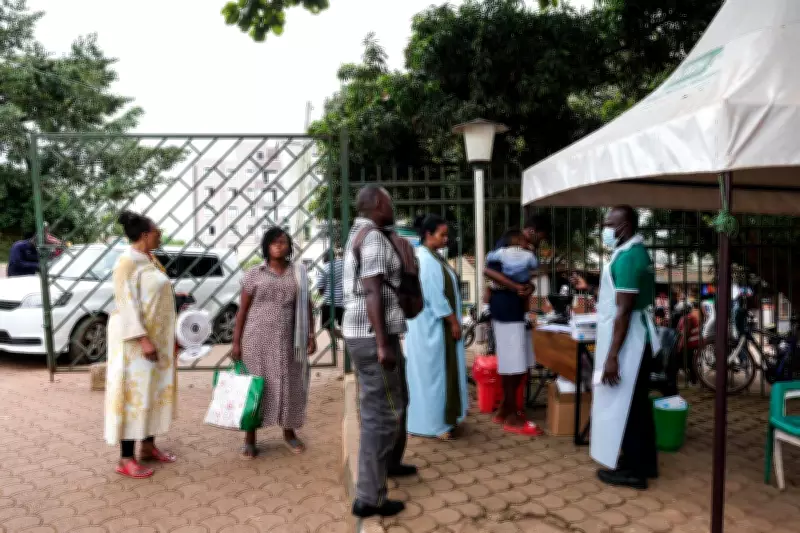
The outbreak began in the eastern part of the Democratic Republic of Congo, near the border with Uganda. Health officials have reported dozens of cases, with a significant number of fatalities. The WHO has deployed teams to assist with contact tracing, vaccination campaigns, and public health measures. In Uganda, temperature screenings have been set up at hospitals and border points, as seen at Kibuli Muslim Hospital in Kampala.
Response Efforts
Local and international health authorities are working to contain the virus. The WHO has urged neighboring countries to enhance surveillance and preparedness. Vaccination efforts are underway, using the Ebola vaccine that proved effective during previous outbreaks. Community engagement is critical to ensure safe burials and early treatment.

The declaration of a global health emergency allows for increased funding and coordination. It also triggers travel advisories and screening protocols at airports. The WHO emphasizes that the risk of international spread remains moderate but requires vigilance.
Historical Context
This is the third Ebola outbreak in the region since 2018. Previous outbreaks were contained with significant international support. However, the current outbreak poses challenges due to insecurity and population movement. The WHO's declaration aims to mobilize resources and prevent a repeat of the 2014-2016 West Africa epidemic that killed over 11,000 people.
Health officials urge the public to remain calm and follow guidelines. Symptoms include fever, vomiting, and bleeding. Early detection and isolation are key to survival. The WHO continues to monitor the situation closely.