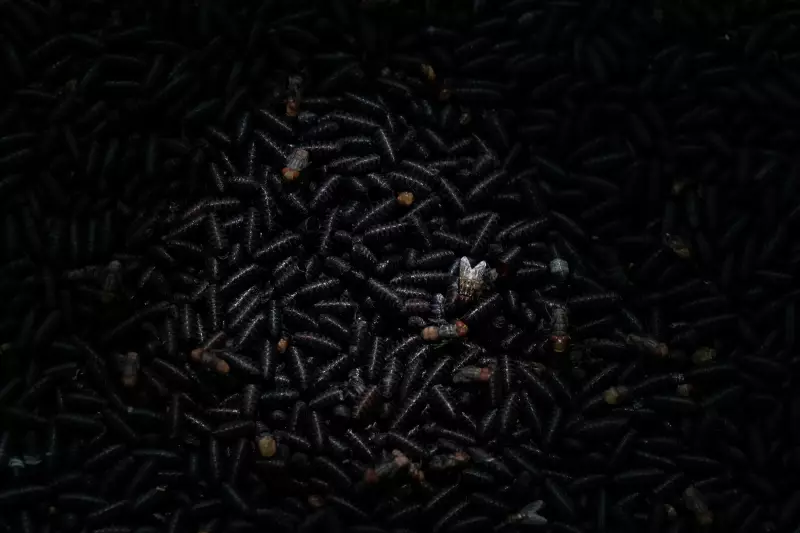
Health authorities in Mexico have confirmed a second case of human infestation by the parasitic screwworm fly within a span of just two days, raising concerns among public health officials. The report, filed by the HealthNews Service and based on information from Reuters, underscores a potential uptick in incidents involving the dangerous pest.
Details of the Recent Cases
The latest case was reported on January 2, 2026, following an initial infection identified just one day prior. The screwworm, scientifically known as Cochliomyia hominivorax, is a flesh-eating parasite whose larvae infest living tissue of warm-blooded animals, including humans, in a condition called myiasis. The news service did not specify the locations or conditions of the infected individuals.
This development comes mere months after visual evidence highlighted ongoing control efforts. In October 2025, photographs depicted sterilized screwworm flies in baskets at a facility in Metapa de Domínguez, Mexico, as part of a sterile insect technique program aimed at eradicating the species.

Understanding the Screwworm Threat
The primary screwworm fly poses a significant agricultural and public health risk. Female flies lay eggs in open wounds or mucous membranes of animals. Upon hatching, the larvae feed on the living host's tissue, causing severe damage, secondary infections, and potentially death if untreated. While human cases are less common, they are serious and require immediate medical intervention.
Mexico, alongside the United States and Central American nations, has a long history of cooperative eradication programs. The sterile insect technique, where massive numbers of sterilized male flies are released to mate with wild females, has been instrumental in eliminating the pest from large regions, including all of North America. The recent cases suggest localized outbreaks or surveillance detecting previously unreported incidents.
Broader Implications and Vigilance
For Canada, a country officially screwworm-free, these reports are a stark reminder of the importance of strict biosecurity at borders. The movement of infested livestock or pets could potentially reintroduce the parasite. Canadian agricultural and health agencies routinely monitor for such threats, given the severe economic impact screwworms could have on the livestock industry.
The back-to-back cases in Mexico will likely prompt renewed scrutiny of surveillance data and control measures in the region. Public health advisories may be issued, particularly in areas near livestock or in regions with tropical climates conducive to the fly's lifecycle. Travelers to affected areas are also advised to maintain good hygiene and protect any open wounds.
While the immediate risk to Canada remains low due to geographic distance and climate, the incidents highlight the interconnected nature of global health and the constant need for vigilance against parasitic and zoonotic diseases that know no borders.