Cuban health authorities have confirmed a significant and tragic milestone in an ongoing public health crisis, reporting that 33 people have died from mosquito-borne illnesses as an epidemic continues to spread across the island nation.
Details of the Public Health Emergency
The announcement, based on a report from Reuters published on December 1, 2025, highlights the severe impact of diseases like dengue fever, which are transmitted by Aedes aegypti mosquitoes. While the official statement did not break down the fatalities by specific virus, dengue is historically a primary concern in such outbreaks in the region, known for causing severe flu-like symptoms and, in serious cases, lethal complications.
The epidemic's severity is underscored by the timing and the official confirmation of deaths. The situation presents a major challenge for Cuba's healthcare system, which has historically been praised for its robustness but faces strain from recurring vector-borne disease outbreaks and broader economic pressures.

Context and Ongoing Challenges
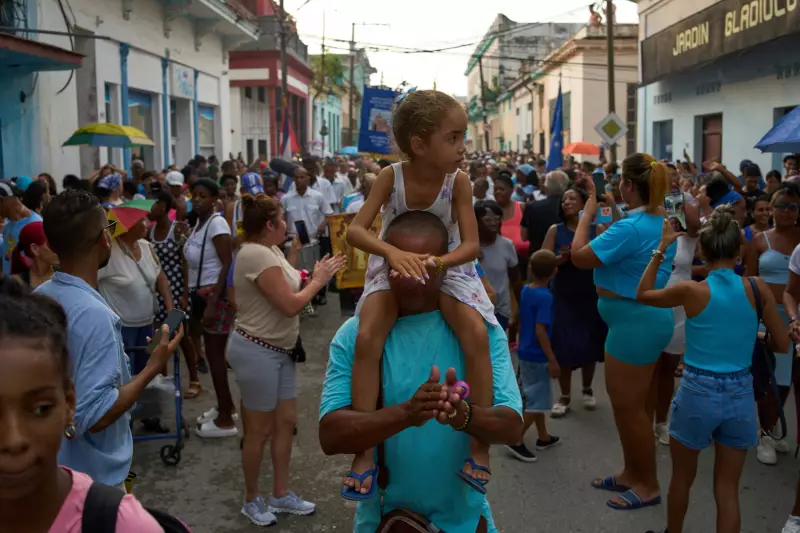
The news comes amid visual documentation of daily life continuing in Cuba, such as a photograph from September 7, 2025, in the municipality of Regla, showing people walking the streets. This normalcy contrasts sharply with the silent health emergency unfolding.
Outbreaks of dengue and related viruses are cyclical in tropical and subtropical climates, but their intensity can be exacerbated by factors including:
- Rainfall patterns creating ideal breeding grounds for mosquitoes.
- Urbanization and water storage practices.
- Challenges in sustaining large-scale, continuous vector control programs.
The 33 confirmed deaths signal a particularly acute phase of this epidemic, prompting urgent public health measures. These typically include intensified fumigation campaigns, public education on eliminating standing water, and heightened surveillance for fever cases within the healthcare network.
Broader Implications and Outlook
This development in Cuba serves as a stark reminder of the persistent global threat posed by mosquito-borne diseases, which affect millions annually. For the Cuban population, the immediate focus is on containment and prevention to halt further loss of life.
The government's public reporting of the death toll is a critical step in acknowledging the scale of the crisis and mobilizing resources. The coming weeks will be crucial in determining whether control measures can curb the transmission rate and prevent the number of fatalities from rising further.
International health organizations often monitor such outbreaks closely, as the mobility of people can lead to imported cases in other countries, including Canada, underscoring the interconnected nature of public health in the modern world.