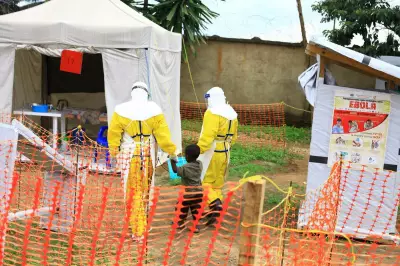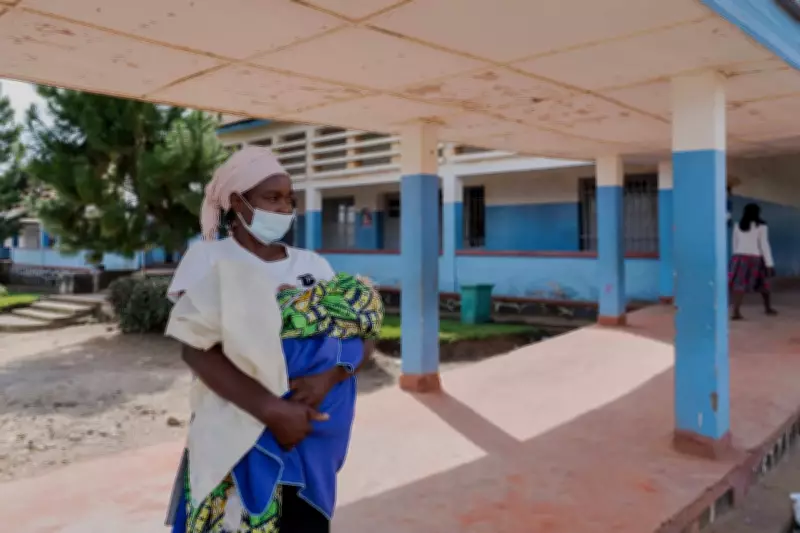
The Democratic Republic of Congo is facing a significant escalation in its Ebola outbreak, with health authorities reporting a sharp rise in new cases. The World Health Organization has voiced growing concern over both the scale and the rapid spread of the virus, which has already overwhelmed local healthcare facilities in affected regions.
Rising Case Numbers
According to the latest reports from the Congolese health ministry, the number of confirmed Ebola cases has surged in recent weeks, marking one of the most serious resurgences since the 2018-2020 epidemic. The outbreak is concentrated in the northeastern provinces, particularly around the city of Bunia, where hospitals are struggling to cope with the influx of patients.
WHO Response
The World Health Organization has deployed additional rapid response teams to the region, but officials warn that funding and logistical challenges are hampering containment efforts. Dr. Michael Ryan, executive director of the WHO's Health Emergencies Programme, stated that the organization is "deeply concerned" about the trajectory of the outbreak and urged international partners to provide immediate support.

“We are seeing a pattern of transmission that is faster than in previous outbreaks,” Ryan said during a press briefing in Geneva. “The combination of population movement, limited healthcare infrastructure, and vaccine hesitancy is creating a perfect storm.”
Challenges in Containment
Local health workers are facing numerous obstacles, including community mistrust, security issues in conflict-prone areas, and a shortage of medical supplies. The use of experimental vaccines and treatments has been scaled up, but logistical hurdles remain significant. The WHO has called for a coordinated international response to prevent the outbreak from spreading to neighboring countries.
Regional Impact
The outbreak is already having a ripple effect across the region, with Uganda and Rwanda tightening border screenings and preparing for potential cases. The economic toll is also mounting, as trade and travel restrictions are imposed to curb the virus's spread. Health experts warn that without swift action, the outbreak could become one of the deadliest in recent history.
The situation in Congo highlights the ongoing vulnerability of global health systems to infectious diseases, especially in regions with weak infrastructure. The WHO continues to emphasize the need for sustained investment in public health preparedness and response mechanisms.