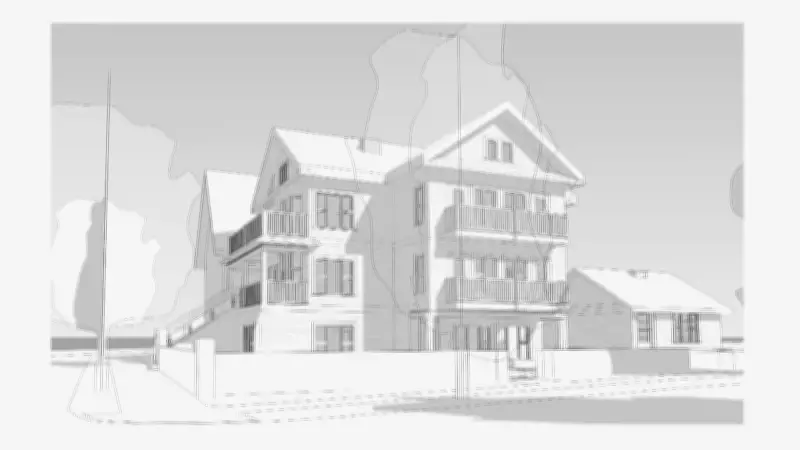
Vancouver Coastal Health Unveils Innovative 'Small Care Homes' Plan for Seniors
Vancouver Coastal Health has officially introduced a groundbreaking new model for senior care facilities, known as the 'small care homes' initiative. This strategic plan aims to provide more personalized and community-oriented living environments for elderly residents across the region. The announcement comes at a critical juncture, as several existing long-term care facilities have raised alarms about their operational funding sources gradually diminishing, potentially threatening their ability to maintain current service levels.
A New Approach to Senior Living Environments
The 'small care homes' concept represents a significant shift from traditional large-scale institutional settings. These smaller facilities are designed to accommodate fewer residents per home, fostering a more intimate and family-like atmosphere. The model emphasizes enhanced quality of life through tailored care plans, increased staff-to-resident ratios, and greater opportunities for social interaction within a residential neighborhood context. Vancouver Coastal Health officials believe this approach will better meet the diverse needs of an aging population while promoting dignity and independence.
Funding Challenges Facing Existing Care Facilities
Concurrently, multiple established care homes in the Vancouver Coastal Health region have reported growing concerns about financial sustainability. Administrators from various facilities have warned that government funding allocations have not kept pace with rising operational costs, including staffing expenses, maintenance requirements, and inflation-driven price increases for supplies and utilities. Some operators describe the situation as increasingly precarious, with one representative stating that funding is effectively 'drying up,' potentially compromising care standards if additional resources are not secured.

The timing of the new small care homes initiative raises important questions about resource allocation within the healthcare system. While Vancouver Coastal Health promotes this innovative model as a forward-looking solution, critics wonder whether sufficient funding exists to support both new developments and existing facilities simultaneously. The health authority has not yet detailed specific financial arrangements for the small care homes, leaving stakeholders curious about long-term budgetary implications.
Implementation Timeline and Community Impact
Preliminary plans suggest that the first small care homes could begin accepting residents within the next two to three years, pending regulatory approvals and construction timelines. Vancouver Coastal Health intends to collaborate with community partners and private developers to establish these homes in various neighborhoods, prioritizing accessibility and integration with local services. The initiative aligns with broader provincial goals to expand senior care capacity, though it arrives amidst ongoing debates about healthcare funding priorities across British Columbia.
This development highlights the complex balancing act facing healthcare administrators: innovating for future needs while sustaining current operations. As Vancouver's population continues to age, the demand for appropriate senior care options will only intensify, making both adequate funding and thoughtful design essential components of any successful strategy. The small care homes model offers promise, but its ultimate effectiveness will depend on sustainable financial support and careful implementation monitoring.