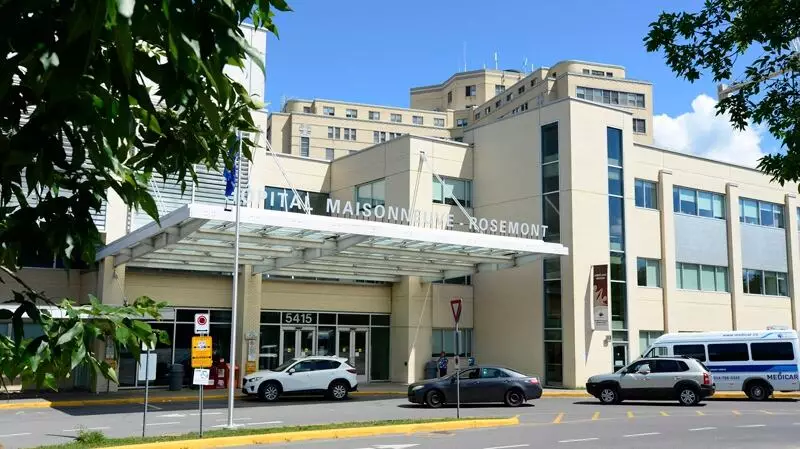
A major spring storm has forced a significant Montreal healthcare institution to cancel scheduled surgeries, disrupting patient care and highlighting the vulnerability of critical infrastructure to severe weather.
Storm Aftermath Halts Elective Procedures
Maisonneuve-Rosemont Hospital in Montreal was compelled to cancel a number of planned surgeries on April 30, 2025. The decision was a direct consequence of a powerful storm system that moved through the Quebec region, causing widespread operational challenges. While the exact number of affected patients was not immediately released, the cancellations represent a tangible impact on the local healthcare system's ability to deliver scheduled care.
Hospital officials cited storm-related issues as the primary cause for the postponements. Such disruptions can include power fluctuations, staff accessibility problems due to hazardous travel conditions, or potential damage to facilities. The incident underscores how extreme weather events, which are becoming more frequent, can have immediate and serious repercussions on essential services beyond just transportation and utilities.

Broader Context of System Strain
This event occurs within a broader national context where healthcare systems are often operating at or near capacity. Surgery cancellations, while sometimes necessary for patient safety during crises, create cascading effects. They lead to longer wait times, increased patient anxiety, and logistical complexities in rescheduling procedures, further straining medical resources and staff.
The situation at Maisonneuve-Rosemont serves as a case study in the need for robust contingency planning within the healthcare sector. Hospitals are critical infrastructure, and their resilience in the face of climate-related and other emergencies is paramount to public health.
Looking Ahead: Resilience and Preparedness
The cancellation of surgeries in Montreal prompts important questions about preparedness. Healthcare facilities across Canada, particularly in regions prone to severe seasonal storms, must continually evaluate and fortify their emergency protocols. This includes ensuring backup power systems, developing clear communication plans for patients and staff, and having flexible staffing models to respond to sudden crises.
For affected patients, the hospital is expected to undertake the complex process of rescheduling the postponed procedures as quickly as possible. The incident is a stark reminder of the interconnectedness of public infrastructure and the wide-ranging impact a single weather event can have on community well-being.