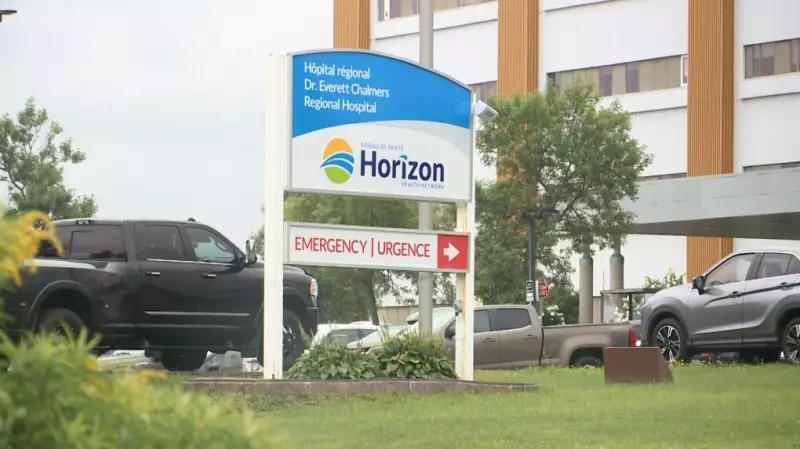
In a significant move to alleviate mounting pressure on its facilities, the Dr. Everett Chalmers Regional Hospital in Fredericton, New Brunswick, is initiating a plan to relocate certain services into community spaces. This strategy, confirmed on January 19, 2026, aims to tackle persistent capacity concerns that have strained the hospital's resources.
Addressing Overcrowding Through Decentralization
The decision involves moving select non-emergency and outpatient services out of the main hospital building. By utilizing available community centres and other local facilities, hospital administrators hope to free up critical space and staff within the core emergency and inpatient departments. This approach is a direct response to the ongoing challenges of patient overflow, which has become a chronic issue for the institution.
While specific details on which services will be moved and their new locations are still being finalized, the overarching goal is clear: to improve patient flow and reduce wait times in the emergency room and other high-demand areas. The hospital has faced increasing demand, a trend seen across Canada, prompting innovative and sometimes difficult operational changes.

A Broader Trend in Canadian Healthcare
This move by the Fredericton hospital reflects a wider trend in Canadian healthcare, where institutions are exploring alternative models to manage capacity. The strain on hospitals, particularly following the pandemic and amid staffing shortages, has forced administrators to think creatively about service delivery.
The relocation plan is not presented as a permanent reduction in services but rather as a strategic reallocation. The intent is to maintain, and potentially improve, the quality of care by ensuring that the hospital's main campus can focus on the most acute and complex cases. Community-based care is increasingly viewed as a vital component of a sustainable health system.
Implications for Patients and the Community
For residents of Fredericton and the surrounding region, this change will mean accessing some healthcare services in new locations. Hospital officials are expected to launch a public communication campaign to ensure patients know where to go for their appointments. The success of the initiative will largely depend on seamless coordination and clear guidance for the public.
The ultimate test will be whether this decentralization effectively reduces emergency room congestion and wait times for admitted patients. If successful, it could serve as a model for other hospitals in New Brunswick and beyond that are grappling with similar capacity crises. The coming months will be critical in evaluating the impact of this strategic shift on the region's healthcare landscape.