Kenroy Samuel, a Toronto man diagnosed with schizophrenia, major depressive disorder, and cannabis use disorder, has been granted escorted city visits despite being deemed a significant threat to public safety. Samuel was found not criminally responsible on account of mental disorder in 2021 for charges of assault causing bodily harm and manslaughter.
Background of the Case
On December 6, 2019, at 4:15 a.m., Samuel stabbed a woman in the back near Northcliffe Boulevard and Eglinton Avenue West. The woman fled to the hospital, where she received two stitches for her injury. Witnesses and video surveillance led to Samuel's arrest.
Samuel had been noncompliant with treatment for his mental illness, abused medication, and used cannabis before the attack. He experienced auditory hallucinations and paranoia, believing his mother was in danger and that he had to stab someone to save her.

On March 15, 2020, Samuel argued with his mother in their apartment and killed his brother, who tried to intervene. He was subsequently confined to the Waypoint Centre for Mental Health Care in Penetanguishene, Ontario's most secure forensic facility.
Ontario Review Board Decision
At a recent hearing, the Ontario Review Board (ORB) considered Samuel's request for extended privileges. All parties agreed that Samuel continues to represent a significant threat to the public. However, the ORB approved escorted city visits to the Greater Toronto Area, accompanied by a hospital staff member or an approved person, such as his mother. He also received additional freedom on hospital grounds.
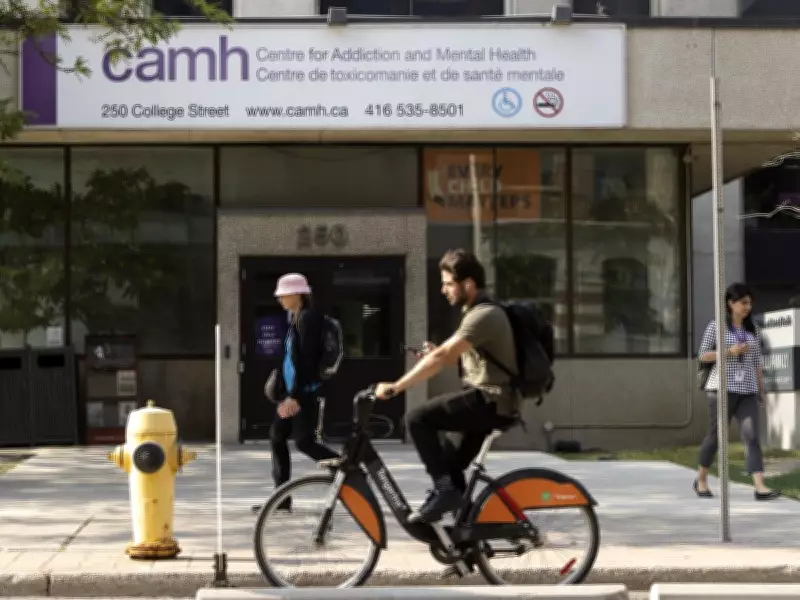
The ORB expressed confidence that the plan ensures public safety and that the hospital will control the pace of Samuel's reintegration. Samuel is next in line to be transferred to Toronto's Centre for Addiction and Mental Health (CAMH).
Implications and Next Steps
This decision highlights the balance between public safety and rehabilitation for individuals found not criminally responsible due to mental disorders. The ORB's ruling allows Samuel gradual reintegration while maintaining strict supervision. The hospital will monitor his progress and adjust privileges as necessary.