B.C. Health Ministry Ramps Up U.S. Doctor Recruitment and Family Physician Network Initiatives
The British Columbia Health Ministry is actively promoting enhanced recruitment efforts targeting medical professionals from the United States while simultaneously working to strengthen connections for family doctors throughout the province. This strategic move comes as part of a broader initiative to alleviate persistent healthcare shortages that have impacted communities across B.C., particularly in rural and underserved regions where access to primary care remains a significant challenge.
Expanding International Recruitment Channels
Health officials have confirmed that recruitment campaigns are being intensified to attract qualified physicians from American healthcare systems. The ministry is leveraging various channels, including targeted advertising, professional networking platforms, and partnerships with medical associations, to connect with U.S.-based doctors who may be considering relocation opportunities. This approach builds upon previous programs designed to assist internationally educated physicians in obtaining licensure to practice within British Columbia.
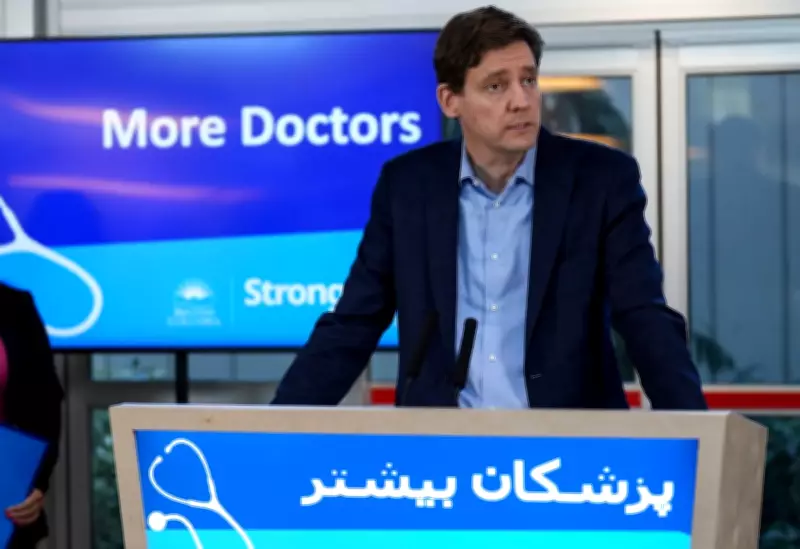
Premier David Eby has previously emphasized the importance of such initiatives, notably during announcements about expanding support for internationally trained medical professionals. The current recruitment push specifically focuses on American doctors due to similarities in medical training standards and regulatory frameworks between Canada and the United States, which can facilitate smoother transitions for relocating physicians.

Strengthening Family Doctor Connections
Parallel to international recruitment, the Health Ministry is implementing measures to improve how family physicians connect with patients and integrate into local healthcare networks. This includes developing enhanced referral systems, creating better pathways for patient assignment to available family doctors, and streamlining administrative processes that have historically created barriers for both practitioners and those seeking primary care.
The connection initiative aims to address the growing number of British Columbians who currently lack access to a regular family physician. By improving how patients find and establish relationships with family doctors, the ministry hopes to reduce reliance on walk-in clinics and emergency departments for non-urgent medical concerns, thereby easing pressure on overwhelmed healthcare facilities.
Addressing Provincial Healthcare Challenges
These recruitment and connection efforts represent a multi-faceted response to healthcare workforce challenges that have persisted across British Columbia for several years. The province has faced difficulties in retaining existing family physicians while simultaneously attracting new practitioners to replace retiring doctors and meet growing population demands.
Medical associations have repeatedly highlighted issues such as administrative burdens, compensation structures, and practice environment concerns as factors contributing to physician shortages. The Health Ministry's current initiatives attempt to address these systemic challenges through both international recruitment and domestic system improvements.
While the U.S. recruitment campaign represents an immediate strategy to increase physician numbers, the family doctor connection improvements focus on long-term sustainability of primary care delivery. Health officials acknowledge that both approaches are necessary to create meaningful, lasting change in how British Columbians access essential medical services.
The success of these initiatives will be closely monitored through metrics including the number of newly licensed physicians practicing in B.C., patient attachment rates to family doctors, and reductions in wait times for primary care appointments across different regions of the province.