Sepsis has come into the spotlight following the announcement that 41-year-old NASCAR driver Kyle Busch died of pneumonia that progressed to sepsis last week. Sepsis is a rare, life-threatening condition triggered by the body's extreme response to an infection. It can affect anyone but is often difficult to identify.
What Is Sepsis?
Dr. Scott Roberts, an assistant professor in infectious diseases at Yale School of Medicine, explains that sepsis has been hard to define medically. Unlike a positive COVID or flu test, there is no single test for sepsis. It presents differently from person to person but can have deadly consequences. Sepsis is an inappropriate immune response to an infection, which may be bacterial, viral, or fungal.
Common infections that can lead to sepsis include pneumonia, urinary tract infections, bloodstream infections, catheter site infections, wounds, and digestive system infections, according to the Mayo Clinic.

Risk Factors
Sepsis is more common in people over 65, young children, and those who are immunocompromised, says Dr. Cindy Hou, an infectious disease expert at Jefferson Health in Philadelphia. However, anyone can develop it. In the United States, sepsis affects approximately 1.7 million adults and 18,000 children each year.
Signs and Symptoms
Key signs of sepsis include fever, low blood pressure, and high heart rate. Depending on the infection source, additional symptoms may occur:
- Urinary tract infection: burning during urination
- Lung infection: cough and shortness of breath
- Gastrointestinal infection: belly pain, diarrhea, nausea, vomiting
- Skin infection: swollen, painful, red, hot skin
Confusion is also common, according to Roberts. While these symptoms do not always indicate sepsis, if something feels off, it is important to consult a doctor.
When to Seek Emergency Care
If you notice concerning symptoms, go to the emergency room immediately, advises Dr. Brintha Vasagar, a family physician in Wisconsin. Sepsis cannot be managed at home. Each hour without treatment increases the risk of septic shock, the most severe stage of sepsis, which involves very low blood pressure and organ failure.
Prevention Tips
While sepsis cannot be completely prevented, certain steps can reduce risk:
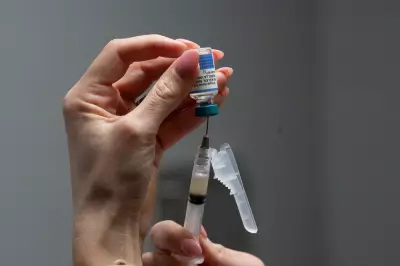
- Stay up-to-date on vaccines, including flu, COVID, pneumonia, and meningitis vaccines.
- If diagnosed with an infection, follow your doctor's treatment plan and monitoring instructions.
- Consider having a blood pressure monitor and thermometer at home to track vitals.
Dr. Vasagar emphasizes staying aware of your body and noticing fever or confusion as early indicators. Prompt medical attention is crucial. Advocate for yourself and seek care if something seems wrong.