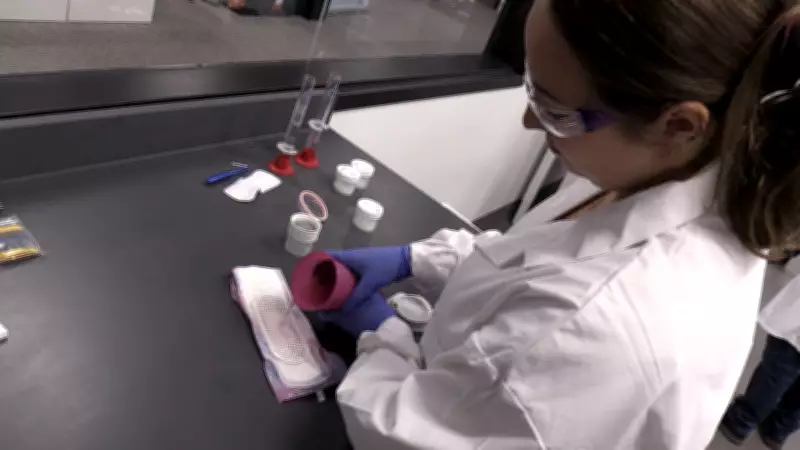
A Kitchener-based startup is pioneering a non-invasive alternative to traditional pap smears, potentially transforming cervical cancer screening. CELLECT Laboratories, founded by local innovators, has developed a method that uses menstrual pads to collect cellular samples for analysis, eliminating the need for uncomfortable speculum exams.
How the Technology Works
The process involves a specially designed menstrual pad that captures cervical cells shed naturally during menstruation. Users wear the pad for a few hours, then return it to the lab for testing. Leora Singer, a student with CELLECT Laboratories, demonstrated the process by pouring a liquid onto a pad to simulate sample collection. The pad is then processed to detect abnormal cells associated with cervical cancer.
Benefits Over Traditional Pap Smears
Traditional pap smears require a pelvic exam, which can be painful and deter many women from regular screening. The non-invasive pad method offers a comfortable, private alternative that can be done at home. This could increase screening rates, especially among those who avoid due to discomfort or cultural barriers. Early detection of cervical cancer significantly improves treatment outcomes.

Clinical Trials and Future Plans
CELLECT Laboratories is currently conducting clinical trials to validate the accuracy of their pad-based test compared to conventional pap smears. Preliminary results are promising, showing high sensitivity in detecting precancerous lesions. The startup aims to seek regulatory approval from Health Canada within the next two years and hopes to make the test available at pharmacies and online.
Impact on Women's Health
Cervical cancer is one of the most preventable cancers, yet screening rates remain suboptimal globally. This innovation could bridge the gap, particularly in underserved communities. Dr. Sarah Mitchell, a gynecologist at Grand River Hospital, commented, "This technology has the potential to revolutionize screening by making it accessible and less intimidating." The startup is also exploring partnerships with public health agencies to distribute the pads in remote areas.
As CELLECT Laboratories moves forward, the medical community watches closely. If successful, this non-invasive alternative could become a standard tool in women's health, reducing the burden of cervical cancer worldwide.