Pakistan is set to abolish the so-called 'period tax,' a reform that could make sanitary products more accessible, following a legal challenge by two young lawyers. The government of Punjab province has moved to eliminate the tax on sanitary pads, which advocates say will improve access to essential hygiene products for women and girls.
Legal Challenge Sparks Change
The legal challenge was filed by two young lawyers who argued that the tax on sanitary products was discriminatory and violated constitutional rights. The case gained widespread attention and prompted the government to reconsider the tax policy. The reform is expected to reduce the cost of sanitary pads, making them more affordable for women across the province.
Impact on Women and Girls
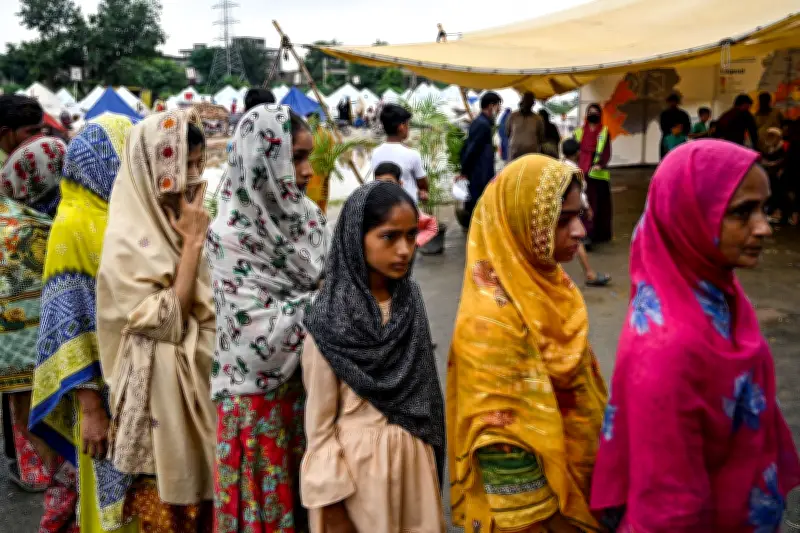
Women and girls in Punjab, Pakistan, have long faced barriers to accessing sanitary products due to high costs. The abolition of the period tax is seen as a significant step toward gender equality and public health. Activists hope that the move will encourage other provinces in Pakistan to follow suit.

The announcement comes amid broader efforts to address period poverty globally. In Pakistan, where cultural taboos around menstruation persist, the reform also aims to break down stigma and promote open discussion about menstrual health.
Government Commitment
The provincial government has committed to implementing the tax cut swiftly, with officials stating that the measure will benefit millions of women. The reform is part of a larger push to improve women's health and economic participation in the region.
The legal challenge was filed by two young lawyers who argued that the tax on sanitary products was discriminatory and violated constitutional rights. The case gained widespread attention and prompted the government to reconsider the tax policy. The reform is expected to reduce the cost of sanitary pads, making them more affordable for women across the province.