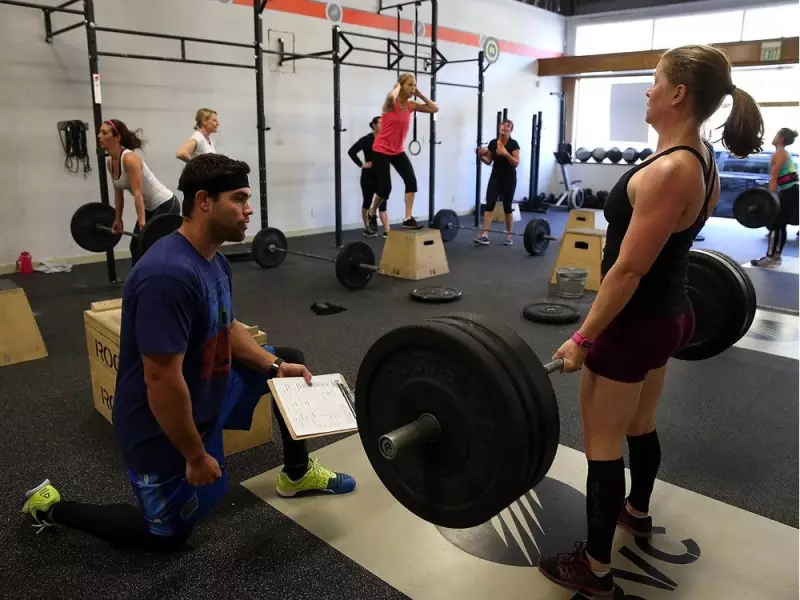
A groundbreaking study offers a powerful preventive strategy for the over four million Canadians living with osteoarthritis: start strength training now. Research from the University of Florida indicates that consistently overloading your muscles throughout life leads to healthier joints and significantly less pain later on, compared to never engaging in resistance exercise.
The Lifelong Impact of Muscle Strength
The study, published in late December 2025, analyzed data from 3,192 individuals with knee osteoarthritis. Researchers categorized participants based on their lifelong history of strength training, tracing routines back to adolescence. The groups were defined as: no strength training, some strength training, and lifelong strength training.
The findings were striking. Participants who never engaged in strength training reported significantly more pain-limited days than those in the other two groups. Notably, the specific method of training—whether using free weights, resistance bands, or one's own body weight—did not alter the positive outcome. The key factor was the systematic overloading of muscles.

More Than Pain Relief: Gait Speed and Independence
The benefits extended beyond pain management. The study also measured functional capacity, including walking speed—a critical predictor of independence and overall health in older adults. Both the "some" and "lifelong" strength training groups demonstrated faster walking speeds and better overall mobility than their non-training counterparts.
"Given that gait speed is a key predictor of independence and overall health in older adults, the faster walking velocity among lifelong strength training participants underscores the importance of consistent engagement in strength-based activities," the research team concluded.
A Prescription for Prevention, Not Just Management
While low-impact exercises like swimming and walking are commonly recommended for managing osteoarthritis symptoms, and strength training is known to support already-affected joints, this research highlights its powerful preventive role. Strengthening muscles around joints improves weight distribution and increases the flow of lubricating fluid, building resilience before degeneration begins.
The message is clear: don't wait for joint pain to start. Initiating a strength training routine early in life pays substantial dividends for long-term joint health. Experts recommend a basic full-body workout performed two to three times per week, including exercises like squats, lunges, push-ups, and various presses and curls.
For beginners or those returning after a long hiatus, investing in a few sessions with a qualified personal trainer can ensure proper form and a safe, effective routine. After a few weeks, benefits often include not only better joint health but also improved strength, balance, fitness, and a slowing of age-related muscle loss. For Canadians, making strength training a priority could be a key resolution for safeguarding mobility and quality of life for years to come.