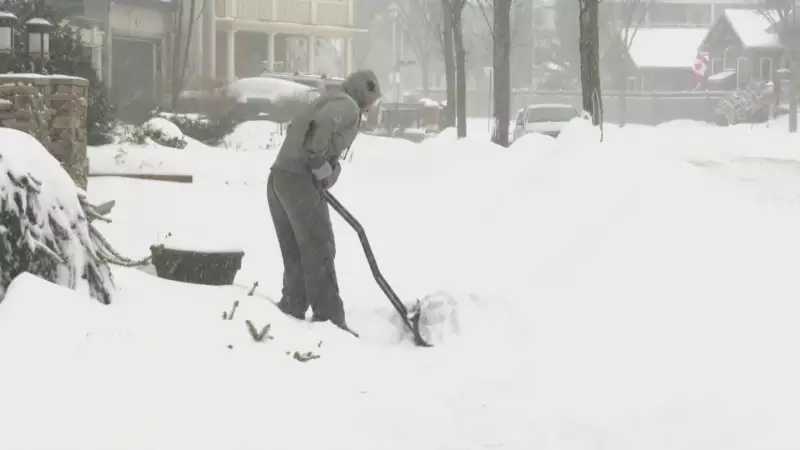
With winter in full swing and driveways across Edmonton buried under fresh snowfall, the annual chore of snow shovelling returns. While necessary, this activity poses significant risks for strain, pain, and more serious health incidents if not done carefully.
The Hidden Dangers of Snow Shovelling
Clearing snow is a staple of Canadian winters, but it's far from a benign task. The combination of cold weather, heavy loads, and repetitive twisting motions can be a perfect storm for injury. Experts consistently warn that shovelling is a strenuous aerobic activity that can spike heart rate and blood pressure dramatically. For individuals with underlying heart conditions, this sudden exertion in the cold air can trigger cardiac events.
Beyond cardiac risks, musculoskeletal injuries are exceedingly common. The act of lifting heavy, wet snow and twisting to throw it places immense stress on the lower back, shoulders, and knees. Improper technique turns a routine household task into a leading cause of wintertime visits to physiotherapists and doctors.

Practical Strategies for Safe Shovelling
To mitigate these risks, health and fitness professionals advocate for a proactive approach. The first line of defense is choosing the right tool. A lightweight, ergonomic shovel with a curved or adjustable handle can help maintain a straighter back during use. For those with health concerns, investing in a snow blower or hiring a removal service is a worthwhile consideration.
Technique is paramount. Key recommendations include:
- Push, Don't Lift: Whenever possible, push snow to the side rather than lifting and throwing it.
- Bend Your Knees: If you must lift, use your leg muscles, not your back. Keep the load close to your body.
- Avoid Twisting: Pivot your whole body with your feet when turning to dump snow.
- Pace Yourself: Shovel in stages, taking frequent breaks. Treat it like a workout, not a race.
Preparation is also crucial. Dressing in warm, layered clothing and performing a brief warm-up indoors—like stretching or walking in place—can prepare your muscles for the work ahead. Staying hydrated is important, even in cold weather.
Knowing When to Stop and Seek Help
Listening to your body is the most important safety tip. Sharp pain, dizziness, shortness of breath, or chest discomfort are clear signals to stop immediately and seek medical attention if symptoms persist. It's better to leave a patch of snow than to risk a serious injury.
For residents in cities like Edmonton, where significant snowfall events like those documented on December 17, 2025 are common, developing safe shovelling habits is an essential part of winter readiness. By respecting the physical demands of the task and using proper techniques, Canadians can keep their driveways clear and their bodies healthy throughout the long winter season.