Foot and toenail fungus can be a frustratingly persistent problem, often seeming impossible to eliminate for good. According to board-certified dermatologists, these infections thrive in warm, damp environments like shoes and skin, where dermatophytes, molds, or yeast feed on keratin in nails and outer skin layers. This leads to symptoms such as itching, flaking, burning, cracking, and in rare cases, painful sores or blisters.
Why Fungal Infections Are So Hard to Treat
Dr. Alexandra Bowles, a board-certified dermatologist based in Cincinnati, explains that fungal spores can linger in footwear or on surfaces, ready to regrow when conditions are favorable. Dr. Azadeh Shirazi, another board-certified dermatologist and skin care expert, adds that nails grow slowly and have a limited blood supply, making it difficult for the body's immune system or topical treatments to fully clear infections. However, both experts emphasize that with proper diagnosis, treatment, and prevention, these conditions are manageable.
Key Ingredients and Strategies for Effective Treatment
Using products with antifungal ingredients and those that support skin and nail health offers the best chance of managing symptoms while addressing the underlying infection. Below is a detailed guide to some of the best over-the-counter options and helpful tips, though the experts note that for severe cases, professional intervention with oral medication or prescription topicals may be necessary, and consulting a medical provider is always advisable.

Top Over-the-Counter Treatment Options
1. High-Strength Toenail Treatment with Undecylenic Acid
Fungus affecting toenails is particularly tricky due to nail structure and slow growth. Dr. Angela Brimhall, a board-certified dermatologist in Utah, recommends an extra-strength treatment containing 25% undecylenic acid, which disrupts fungal cell membranes to inhibit growth. Enhanced with oregano oil and tea tree oil, this product has garnered positive reviews for effectiveness.
2. Antifungal Spray with Tolnaftate
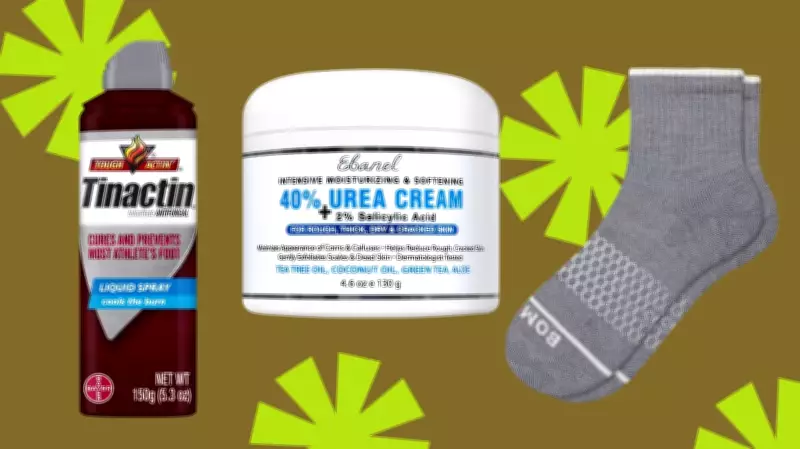
Dr. Shirazi highlights tolnaftate as a great ingredient for prevention and early treatment, often found in sprays like Tinactin. This spray promises no powder residue, provides a cooling sensation to relieve itching, and allows easy application between toes without touching affected areas.
3. Urea and Salicylic Acid Cream for Enhanced Penetration
Dr. Bowles notes that ingredients like urea, lactic acid, and salicylic acid soften or thin thickened nails, helping antifungal agents penetrate more effectively. A cream with 40% urea and 2% salicylic acid can exfoliate rough skin, target calluses, and hydrate with shea butter, hyaluronic acid, and antioxidants.
4. Moisture-Wicking Merino Wool Socks
To prevent sweat buildup, Dr. Bowles recommends moisture-wicking socks made from merino wool or synthetic blends. Bombas offers merino wool socks that are temperature-regulating, soft, and comfortable, with cushioned footbeds and supportive arches.
5. Fast-Acting Clotrimazole Cream
For mild infections, Dr. Bowles suggests true antifungals like clotrimazole, which stop fungal growth at the source. An affordable cream with 1% clotrimazole can quickly soothe symptoms of athlete's foot, ringworm, and jock itch.
6. Antifungal Foot Powder for Moisture Control
Both dermatologists recommend antifungal powders to control moisture, a major contributor to fungal growth, and neutralize odor. A daily medicated powder with tolnaftate, such as from the Lotrimin brand, can prevent athlete's foot when applied before wearing footwear.
7. Tea Tree Oil Foot Soak for Mild Relief
While less reliable than medications, natural options like tea tree oil soaks may offer mild relief. A tea tree oil Epsom salt foot soak can help with symptoms of athlete's foot, relax muscles, reduce swelling, and provide pain relief during 15-20 minute soaks.
8. Breathable Shoes with Knit Uppers
Dr. Bowles advises wearing breathable shoes, such as sneakers with mesh uppers, or rotating pairs to air out. Allbirds Tree Runners, made from eucalyptus tree fiber, feature a perforated knit construction for airflow, cushioned support, and machine-washability.

9. Waterproof Pillow Slides for Communal Areas
Dr. Shirazi warns against walking barefoot in gym locker rooms or showers. Non-slip, waterproof shower shoes with cushioned soles offer protection and come in gender-neutral sizing and multiple colors.
10. UV Sanitizing Shoe Light for Prevention
For extra prevention, Dr. Bowles mentions UV shoe sanitizers that kill fungus and bacteria inside footwear. A device like the Pedfix ShoeZap uses UVC light technology to sanitize shoes in 15 minutes, potentially extending shoe life and neutralizing odors.
By incorporating these products and strategies, individuals can better manage foot and nail fungus, though persistent or severe cases should always be evaluated by a healthcare professional.