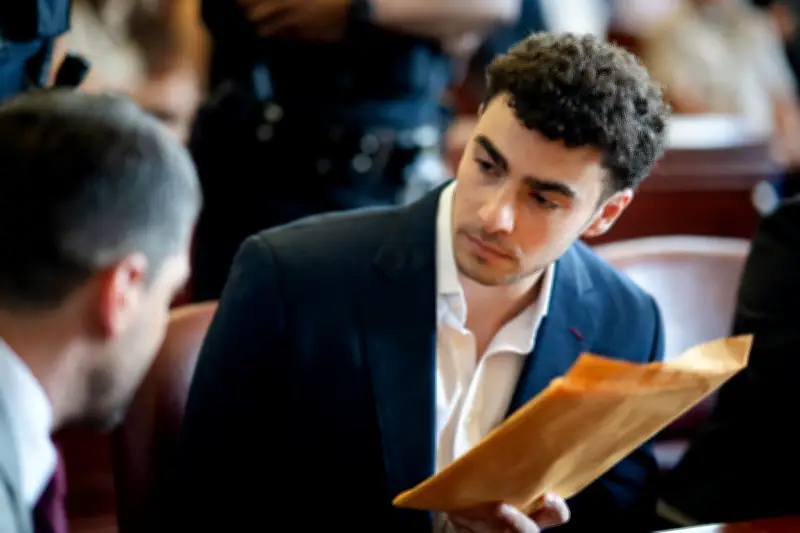
Luigi Mangione will assert a psychiatric defence in the murder case involving the killing of UnitedHealthcare's CEO, according to court documents filed in Manhattan Criminal Court. The announcement came during a pre-trial hearing on Wednesday, June 17, 2026, where Mangione appeared before a judge.
Details of the Defence Strategy
Defense attorneys for Mangione indicated that they plan to argue that their client was not criminally responsible for the death of Brian Thompson due to a mental disorder. The prosecution has not yet responded to this development, but legal experts suggest that a psychiatric defence could significantly alter the trajectory of the case.
Mangione, who has been held without bail since his arrest, faces charges of first-degree murder and other related offenses. The killing of Thompson, a prominent healthcare executive, shocked the corporate world and drew widespread media attention.

Pre-Trial Proceedings
During the hearing, Judge Maria Gonzalez set a timeline for the submission of psychiatric evaluations and scheduled the next court date for August 2026. The defense team is expected to call expert witnesses to testify about Mangione's mental state at the time of the alleged crime.
Prosecutors have not indicated whether they will challenge the psychiatric defence, but they have emphasized the severity of the crime and the need for accountability. The case has sparked debates about mental health in the criminal justice system.
- Mangione's legal team files notice of psychiatric defence
- Court orders independent psychiatric evaluation
- Trial date expected in early 2027
Background of the Case
Brian Thompson, 54, was found dead outside his Manhattan apartment in December 2025. Mangione was arrested days later after a police investigation linked him to the crime. The motive remains unclear, but authorities have not ruled out a connection to Thompson's role at UnitedHealthcare.
The case has drawn comparisons to other high-profile murder trials where mental health was a central issue. Legal analysts say the outcome could hinge on the credibility of psychiatric experts and the jury's interpretation of insanity laws in New York.
As the legal process unfolds, both families have requested privacy. Thompson's widow, Sarah Thompson, issued a statement expressing hope for justice while acknowledging the complexity of mental health issues.