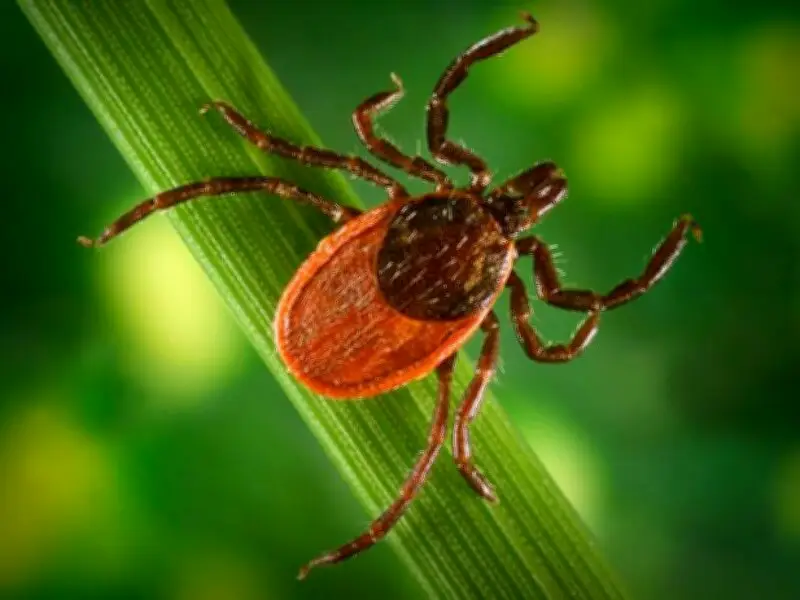
Health officials in Waterloo Region have confirmed the presence of Lyme disease-causing bacteria on blacklegged ticks collected in the area. The findings highlight the ongoing risk of tick-borne illnesses as warmer weather increases outdoor activity.
What the Discovery Means
The blacklegged tick, scientifically known as Ixodes pacificus, is a known vector for the spirochetal bacteria Borrelia burgdorferi, which causes Lyme disease. According to the Centers for Disease Control and Prevention, these ticks are commonly found in wooded and grassy areas.
Local public health units have been conducting surveillance to monitor tick populations and the pathogens they carry. The recent detection serves as a reminder for residents to take precautions when spending time outdoors.

Prevention Tips
- Wear long sleeves and pants when hiking or gardening.
- Use insect repellent containing DEET or icaridin.
- Perform tick checks after being outdoors, especially on pets and children.
- Remove ticks promptly with fine-tipped tweezers.
Lyme disease symptoms can include fever, headache, fatigue, and a characteristic skin rash. If left untreated, the infection can spread to joints, the heart, and the nervous system. Early diagnosis and antibiotic treatment are crucial.
Health authorities urge anyone who experiences symptoms after a tick bite to seek medical attention. The region will continue monitoring tick activity throughout the season.