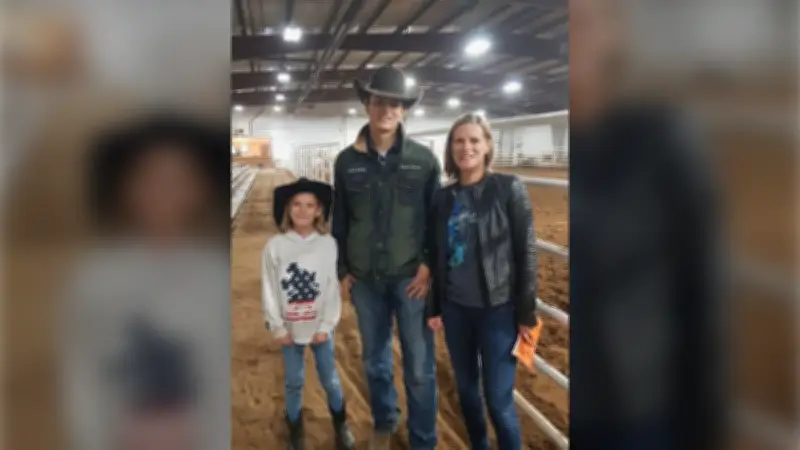
The family of British Columbia bull rider Logan Parent is advocating for changes within the rodeo community after he was posthumously diagnosed with chronic traumatic encephalopathy (CTE). The diagnosis, confirmed by brain tissue analysis, has reignited discussions about the long-term risks of repetitive head impacts in rodeo sports.
Logan Parent's Career and Diagnosis
Logan Parent, a professional bull rider from B.C., competed in rodeos across North America for over a decade. He died in 2024 at the age of 34. Following his death, his family donated his brain to the Canadian Concussion Centre at the University of British Columbia for research. In early 2026, researchers confirmed that Parent had stage 2 CTE, a degenerative brain disease linked to repeated head trauma.
According to Dr. Charles Tator, a neurosurgeon and director of the Canadian Concussion Centre, “Logan’s case is another example of the severe consequences of repetitive head impacts in contact sports. The rodeo community must take this seriously.”

Family's Call for Change
Parent's mother, Susan Parent, stated, “We don’t want any other family to go through this. The rodeo industry needs better safety protocols, including mandatory helmet use and limits on the number of rides per season.” She emphasized that while bull riding is a cherished tradition, the health of athletes must come first.
The family is advocating for several reforms: compulsory helmet use for all riders, baseline cognitive testing, and independent medical spotters at events. They are also calling for a registry to track head injuries in rodeo athletes, similar to systems used in football and hockey.
Rodeo Community Response
The Canadian Professional Rodeo Association (CPRA) has acknowledged the concerns. In a statement, CPRA president Mike Fisher said, “We are deeply saddened by Logan’s diagnosis and are committed to reviewing our safety standards. We have already made helmets optional in some events and are exploring further measures.” However, critics argue that voluntary measures are insufficient.
Rodeo athlete and former bull rider Jake Thompson commented, “We know the risks, but we love the sport. More education and better gear could make a difference without changing the essence of rodeo.”
Broader Implications for Rodeo Sports
CTE has been primarily associated with football, boxing, and hockey, but this case highlights its prevalence in rodeo. A 2023 study by the University of Calgary found that 28% of former rodeo athletes reported symptoms consistent with CTE, though definitive diagnosis requires post-mortem examination.
The Parent family’s advocacy is gaining traction. A petition calling for mandatory helmets in bull riding has garnered over 15,000 signatures. The family plans to meet with CPRA officials later this year to discuss policy changes.
Conclusion
Logan Parent’s CTE diagnosis has become a catalyst for change in the rodeo community. His family’s efforts aim to honor his legacy by protecting future athletes from the devastating effects of repetitive head trauma. As Susan Parent said, “Logan loved bull riding, but he would want others to be safer.”