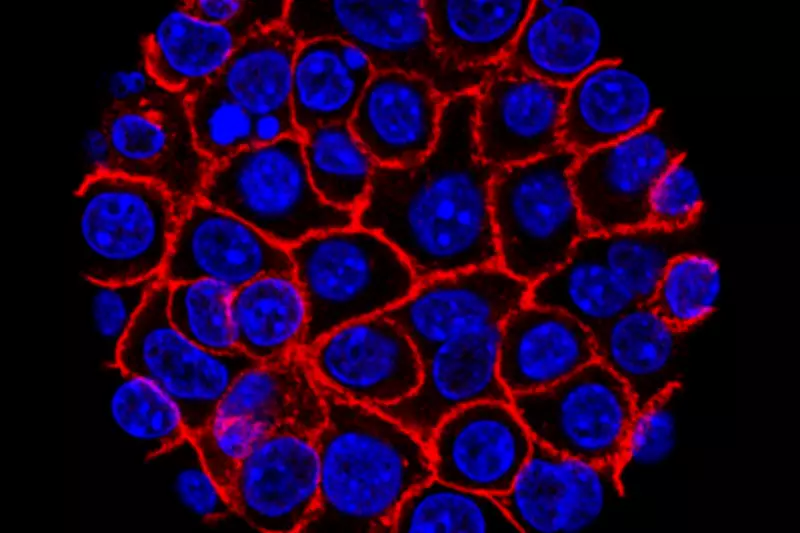
Experimental Pill Offers New Hope for Pancreatic Cancer
A groundbreaking experimental pill is providing new hope for patients battling pancreatic cancer, one of the most aggressive and deadly forms of the disease. Researchers have developed a novel oral medication that targets cancer cells in a unique way, potentially improving survival rates and quality of life for those affected.
The pill, which is currently undergoing clinical trials, works by disrupting the cellular mechanisms that allow pancreatic cancer to grow and spread. Unlike traditional chemotherapy, which can have severe side effects, this new approach aims to be more targeted and less toxic.
Pancreatic cancer has a notoriously low survival rate, with only about 10% of patients surviving five years after diagnosis. The disease is often diagnosed at an advanced stage, making treatment difficult. However, this experimental therapy could change the landscape of treatment options.

Dr. Emily Carter, an oncologist at the University of Southern California Norris Comprehensive Cancer Center, expressed optimism about the findings. “This pill represents a significant step forward in our fight against pancreatic cancer. It’s still early, but the results so far are very encouraging.”
The medication has shown promise in preclinical studies, where it effectively shrank tumors in animal models. Human trials are now underway to determine its safety and efficacy. If successful, the pill could become a key part of treatment regimens for pancreatic cancer patients.
Pancreatic cancer affects approximately 60,000 people in the United States each year, and it is the third leading cause of cancer-related deaths. Current treatments include surgery, chemotherapy, and radiation, but these are often not curative. The development of a new oral therapy could provide a more convenient and less invasive option for patients.
Researchers are also exploring whether the pill could be used in combination with existing treatments to enhance their effectiveness. The potential for this drug to improve outcomes for patients is generating excitement in the medical community.
While the pill is still experimental, it offers a glimmer of hope for those affected by this devastating disease. Patients and their families are eagerly awaiting the results of ongoing clinical trials.