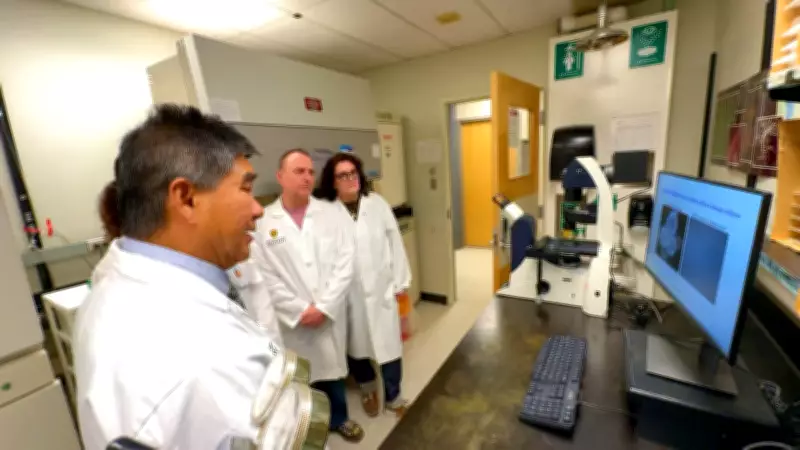
Calgary Researchers Investigate Vitamin B3 as Potential Treatment for Aggressive Brain Cancer
Scientists from Calgary's prestigious Hotchkiss Brain Institute and the Arthur J.E. Child Comprehensive Cancer Centre have embarked on a groundbreaking study exploring the therapeutic potential of Vitamin B3, specifically niacin, in the fight against glioblastoma. This aggressive and often fatal form of brain cancer has long challenged medical professionals with its rapid progression and limited treatment options.
High-Dose Niacin as a Supplementary Therapy
The research team is investigating whether administering high doses of niacin alongside conventional glioblastoma treatments could significantly slow the disease's advancement. Their hypothesis centers on niacin's potential to enhance the efficacy of standard therapies, potentially offering patients a crucial extension in progression-free survival.
Glioblastoma remains one of the most difficult cancers to treat effectively, with current standard treatments including surgery, radiation, and chemotherapy often providing limited long-term success. The Calgary researchers' work represents a novel approach that could complement existing protocols without replacing them entirely.

The Scientific Rationale Behind Niacin
While the exact mechanisms are still under investigation, preliminary research suggests niacin may influence cellular metabolism and DNA repair processes in ways that could hinder cancer cell proliferation. The vitamin's role in various biochemical pathways makes it a compelling candidate for adjuvant cancer therapy.
This research builds upon growing scientific interest in repurposing existing compounds for new therapeutic applications, particularly in oncology where developing entirely new drugs can take decades and cost billions.
Implications for Brain Cancer Treatment
If successful, this approach could represent a significant advancement in neuro-oncology:
- Potentially extending survival time for glioblastoma patients
- Offering a relatively low-cost addition to existing treatment protocols
- Providing a treatment option with a well-established safety profile
- Opening new avenues for vitamin-based adjuvant therapies in oncology
The Calgary research team's work exemplifies Canada's growing leadership in innovative cancer research, particularly in the challenging field of neuro-oncology where breakthroughs are urgently needed.