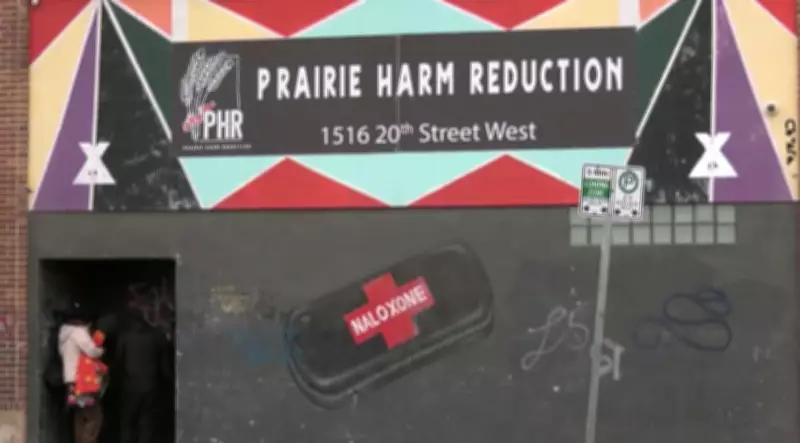
Saskatoon's Supervised Consumption Site to Permanently Close by End of Day
Saskatoon's supervised consumption site is set to permanently close its doors by the end of the day, according to a recent announcement. This decision marks a significant shift in the city's approach to addiction services and public health interventions, with immediate implications for the community.
Immediate Closure and Community Impact
The supervised consumption site, which has been operating in Saskatoon, will cease all operations permanently as of today. This facility has served as a critical harm reduction resource, providing a safe environment for individuals to use substances under medical supervision. The closure represents a major change in the city's strategy for addressing substance use and addiction-related issues.
Public health officials have expressed concern about the potential consequences of this sudden closure. The site has played a vital role in preventing overdose deaths, connecting people with addiction treatment services, and reducing public drug use in surrounding areas. Its absence may create significant gaps in the continuum of care for vulnerable populations struggling with substance use disorders.

Background and Operational History
The supervised consumption site has been operational in Saskatoon for several years, established as part of a broader harm reduction initiative. These facilities are designed to provide:
- A safe, hygienic environment for substance use
- Immediate medical intervention in case of overdose
- Access to addiction treatment referrals and counseling
- Harm reduction supplies and education
- Connections to housing, healthcare, and social services
Research has consistently shown that supervised consumption sites save lives, reduce public drug use, decrease needle litter, and connect marginalized individuals with essential services. The closure of Saskatoon's facility raises questions about alternative support systems for people who use drugs in the community.
Potential Consequences and Community Response
With the permanent closure now imminent, community organizations and healthcare providers are scrambling to address the potential fallout. Advocates for harm reduction warn that this decision could lead to increased overdose deaths, more public drug use, and greater strain on emergency services. The loss of this facility may disproportionately affect already vulnerable populations, including those experiencing homelessness, mental health challenges, and socioeconomic disadvantages.
Local officials have not yet detailed specific plans for alternative services or supports to replace the supervised consumption site. This gap in planning has raised concerns among public health experts who emphasize the importance of continuity in addiction services. The closure comes amid ongoing debates about the most effective approaches to addressing substance use and addiction in Canadian communities.
Broader Context and Future Implications
The permanent closure of Saskatoon's supervised consumption site occurs within a national context of evolving drug policies and public health approaches. Other Canadian cities continue to operate similar facilities, with some expanding their harm reduction services in response to the ongoing overdose crisis. Saskatoon's decision represents a departure from this trend and may influence policy discussions in other municipalities considering supervised consumption services.
As the site prepares to close permanently, questions remain about how the city will address the complex needs of people who use drugs. The effectiveness of alternative approaches, including increased addiction treatment capacity, outreach services, and other harm reduction strategies, will be closely monitored in the coming months. This development underscores the ongoing challenges communities face in balancing public health priorities, community safety concerns, and resource allocation for addiction services.