Saskatchewan's Take Home Naloxone Program: A Critical Response to Overdose Crisis
The Saskatoon Fire Department has reported responding to an average of 14 overdose calls daily this month, highlighting the urgent need for overdose prevention and response training across Saskatchewan. Between April 1 and 11 alone, the department received 157 overdose-related calls, with approximately 30 percent occurring within five blocks of Prairie Harm Reduction (PHR), which recently announced its closure.
Prairie Harm Reduction's Legacy and Current Challenges
Before its closure announcement this month, Prairie Harm Reduction operated Saskatchewan's only supervised drug consumption site while providing vital education and training to organizations on reversing overdoses. The provincial government had been providing PHR with $346,000 in annual funding specifically for "outreach, education and to increase access to take-home naloxone" kits.
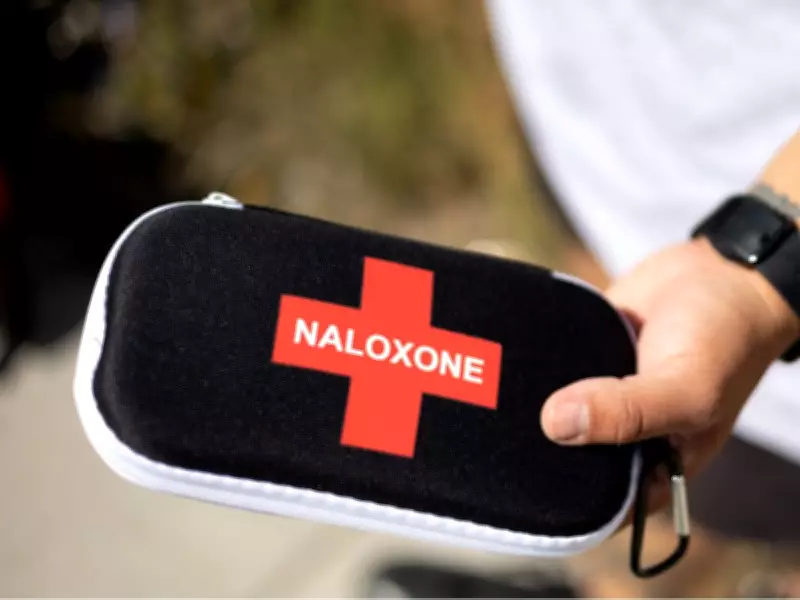
The Government of Saskatchewan's Take Home Naloxone (THN) program ensures free naloxone training and kits remain available throughout the province. According to health ministry statements, there are currently 152 training and distribution sites in Saskatoon, excluding PHR and CUMFI, which confirmed they do not offer training.

Overdose Statistics Reveal Escalating Crisis
Recent overdose call data demonstrates the growing severity of the situation:
- January 2025: 166 overdose calls
- February 2025: 178 overdose calls
- March 2025: 165 overdose calls
Comparatively, March of the previous year saw 509 overdose calls, February had 172, and January recorded 135. The crisis peaked in March 2025 when Saskatoon experienced more than 300 overdoses within a two-week period, prompting the establishment of the Provincial Emergency Operations Centre to coordinate response efforts and provide support resources.
Accessing Naloxone Training and Kits
The provincial government maintains a website showing where naloxone kits and training can be obtained, though it includes a warning about potential inaccuracies in location listings. The Saskatchewan Health Authority operates these sites in partnership with community-based organizations, pharmacies, and clinics.
"Should any sites discontinue their participation in providing THN services, it is important that they contact the THN program to ensure their information is updated accordingly," the health ministry emphasized.
Training provided through the program covers comprehensive overdose education including:
- Overdose prevention strategies
- Recognition of overdose symptoms
- Emergency response procedures
- Proper naloxone administration techniques
Take home naloxone kits are available at all emergency departments across Saskatchewan, and many businesses and organizations in Saskatoon have begun offering naloxone training for staff and community members as overdoses become more frequent.
Recognizing Overdose Symptoms
A government-provided training module for healthcare workers details critical signs of opioid overdose that community members should recognize:
- Slow, shallow, or erratic breathing patterns
- Blue-tinged lips or fingernails indicating oxygen deprivation
- Unresponsiveness or loss of consciousness
- Vomiting
- Seizures
- Constricted or "tiny" pupils
The training emphasizes that naloxone presents no potential for misuse if administered to someone who has not consumed opioids, making it safe to use when overdose is suspected.
As Saskatchewan continues to address its overdose crisis, the Take Home Naloxone Program represents a crucial component of the public health response, providing life-saving education and resources to communities throughout the province.