Drug Crisis Persists at Moncton Intersection
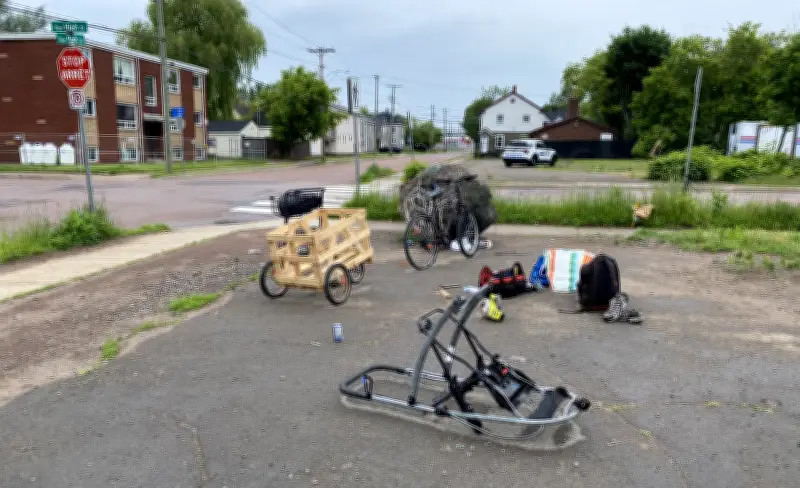
The drug crisis at the corner of High and Park Street in Moncton, N.B., has entered its fourth week, with local officials and outreach workers reporting a steady stream of overdoses and drug-related incidents. According to Jennifer Heudes of CTV News, the situation has been described as 'pretty consistent,' meaning the emergency shows no signs of abating.
Moncton police and emergency services have been responding to multiple calls daily at the intersection, which has become a focal point for drug use and trafficking. The area has seen an increase in visible drug activity, including public consumption and overdoses, prompting concerns from residents and business owners.
Outreach Efforts Intensify
Local outreach officials are working tirelessly to spread awareness about the dangers of the drug supply, which they say is particularly lethal due to the presence of fentanyl and other potent substances. 'We've lost two young women,' a local outreach worker said, highlighting the human toll of the crisis. The worker emphasized the need for more resources and a coordinated response to address the root causes of addiction.

The city has deployed additional social workers and harm reduction teams to the area, but the scale of the problem continues to overwhelm available services. Moncton's mayor has called for provincial and federal assistance, noting that the crisis is beyond the city's capacity to handle alone.
Community and Business Impact
The ongoing crisis has disrupted daily life in the neighborhood. Businesses near High and Park Street report a decline in foot traffic and increased incidents of theft and vandalism. Residents have expressed fear and frustration, with some calling for a stronger police presence. However, advocates argue that enforcement alone cannot solve the problem and that more investment in treatment and housing is needed.
The situation in Moncton reflects a broader trend across Canada, where drug overdose deaths have surged in recent years. According to the Public Health Agency of Canada, more than 40,000 Canadians have died from opioid overdoses since 2016. The crisis has been exacerbated by the COVID-19 pandemic, which disrupted supply chains and increased social isolation.
Looking Ahead
As the fourth week begins, officials are exploring long-term solutions, including a potential supervised consumption site and expanded access to addiction treatment. The province of New Brunswick has pledged additional funding for mental health and addictions services, but concrete plans remain in development. For now, the corner of High and Park Street remains a stark reminder of the ongoing public health emergency.