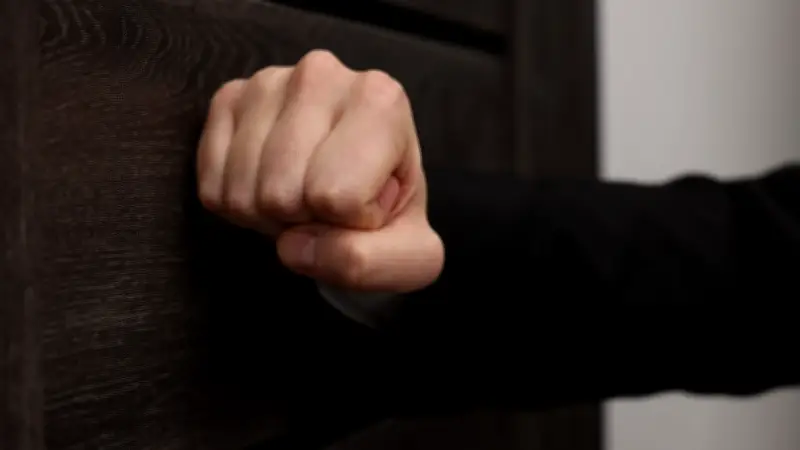
Mounties in British Columbia are issuing a warning about a dangerous TikTok trend known as the 'door kick challenge,' which involves individuals kicking in residential doors and recording the act for social media.
What Is the Door Kick Challenge?
The trend, which has gained traction on TikTok, prompts participants to forcefully kick the doors of homes, often causing damage and startling residents. The videos are then shared online, potentially encouraging copycat behavior.
According to RCMP Cpl. Alex Bérubé, the challenge poses serious risks, including injury to the kicker, property damage, and potential confrontation with homeowners. "We are concerned that this trend could escalate into more violent incidents or lead to charges of mischief, break and enter, or assault," Bérubé said.

Police Response and Public Advisory
The RCMP has not reported specific incidents in British Columbia yet but is proactively warning the public to avoid participating. They urge parents to discuss online safety with their children and monitor social media activity.
"We want to prevent any harm before it happens. This is not a harmless prank; it's destructive behavior that can have legal consequences," Bérubé added.
Legal Implications and Safety Concerns
Participants could face criminal charges, including mischief under $5,000, which carries a maximum penalty of two years in prison. If the door is kicked in with intent to enter, charges of break and enter could apply, with penalties up to life imprisonment if a dwelling is involved.
Homeowners are advised to report any suspicious activity to police and consider installing security cameras or doorbell cameras to deter such acts.
Broader Context of Dangerous TikTok Trends
The door kick challenge is part of a series of risky online trends. Previous viral challenges, such as the "skull breaker challenge" and "Benadryl challenge," have led to injuries and hospitalizations. Police across Canada have previously warned about these trends, emphasizing the need for parental oversight.
"Social media platforms have a responsibility to remove harmful content, but parents and guardians also play a key role in educating youth about the consequences of such actions," Bérubé noted.