Wolf Attack Claims Dog on Vancouver Island, Conservation Officers Confirm
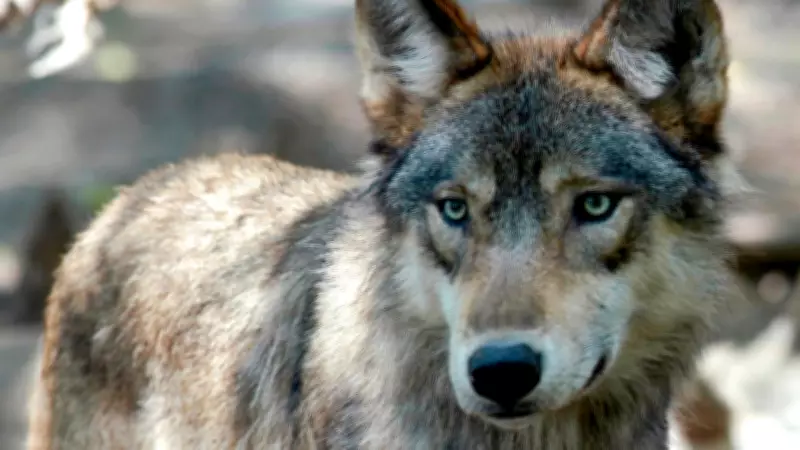
In a distressing incident underscoring the persistent wildlife challenges in British Columbia, conservation officers have reported that a domestic dog was killed by a wolf on Vancouver Island. This event adds to a growing list of encounters between humans, their pets, and wild predators in the area, raising concerns about safety and coexistence.
Details of the Incident
The attack occurred recently, with authorities confirming the involvement of a gray wolf, a species native to the region but increasingly coming into contact with populated areas. While specific location details and the exact date were not fully disclosed in initial reports, conservation officers emphasized that such incidents are becoming more frequent as urban expansion encroaches on natural habitats.
Conservation officers have urged residents to remain vigilant, especially in rural and semi-rural parts of Vancouver Island where wolves are known to roam. They recommend keeping pets on leashes, securing garbage and food sources, and avoiding walking dogs during dawn and dusk when wolves are most active.

Broader Context of Wildlife Conflicts
This attack is not an isolated case. Across Canada, interactions between wildlife and domestic animals have been on the rise, driven by factors such as habitat loss, climate change, and human activity. In the Interlake region of Manitoba, for instance, farmers have reported increasing wolf attacks on livestock, highlighting a nationwide trend.
"These incidents serve as a stark reminder of the delicate balance between human development and wildlife conservation," noted a spokesperson from the B.C. Ministry of Environment. "We must adopt proactive measures to mitigate risks while respecting the ecological role of predators like wolves."
Safety Recommendations and Public Response
In response to the attack, conservation officers have issued a series of guidelines to enhance public safety:
- Always supervise pets when outdoors, particularly in wooded or remote areas.
- Install motion-sensor lights and fences to deter wildlife from entering properties.
- Report any aggressive or unusual wolf behavior to local authorities immediately.
- Educate children and community members about wildlife awareness and prevention strategies.
Public reaction has been mixed, with some residents expressing fear and calling for more aggressive wildlife management, while others advocate for non-lethal deterrents and habitat preservation. The incident has sparked discussions on social media and local forums about how best to address these conflicts without harming wolf populations, which play a crucial role in maintaining ecosystem health.
Looking Ahead
As Vancouver Island continues to grapple with these challenges, conservationists stress the importance of coexistence strategies. Ongoing research and community outreach programs aim to reduce negative encounters, but the recent dog attack underscores the urgent need for heightened awareness and adaptive management practices.
Authorities are monitoring the situation closely and may consider additional measures if incidents persist. For now, they remind the public that while wolves are generally wary of humans, caution is essential in shared landscapes to prevent future tragedies.