Dozens of dedicated volunteers gathered at Point Pelee National Park on Monday, December 15, 2025, to participate in a cherished annual tradition: the 73rd Christmas Bird Count. This long-running citizen science initiative provides invaluable data on winter bird populations across Canada and North America.
A Legacy of Conservation and Citizen Science
The Christmas Bird Count, organized by volunteers, represents one of the longest-running wildlife censuses in the world. The data collected at Point Pelee and hundreds of other locations across the continent helps scientists and conservationists track population trends, understand the impacts of climate change, and guide protection efforts for vulnerable species. The 2025 count marks the 73rd consecutive year this event has been held at the iconic national park, a peninsula that serves as a critical migratory stopover and habitat.
Braving the Elements for a Feathered Census
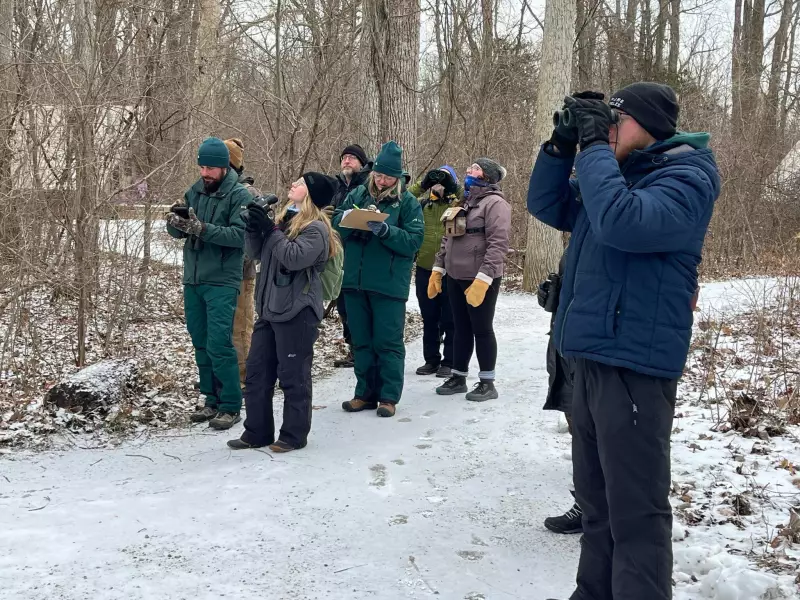
Equipped with binoculars, field guides, and checklists, participants fanned out across designated areas within the park's boundaries. Their mission was to identify and count every bird they saw or heard throughout the day. This rigorous methodology, standardized across all count circles, ensures the data remains consistent and scientifically valuable year after year. Despite the typical chill of a Canadian December, the volunteers' enthusiasm provided warmth, driven by a shared passion for ornithology and environmental stewardship.

The Importance of Local Data
While the continental-scale data is vital, local results from Point Pelee are particularly significant. The park's unique southern location and diverse ecosystems make it a barometer for changes in species distribution. Findings can indicate which birds are overwintering further north than in past decades—a potential sign of shifting climate patterns—or signal concerning declines in specific populations that may require immediate conservation action.
The success of the Christmas Bird Count hinges entirely on the commitment of volunteer citizen scientists. Their collective efforts transform a day of birdwatching into a powerful tool for research and preservation. The data from the December 15, 2025, count will be compiled locally before being submitted to the national database, where it will join over a century of observations informing the future of avian conservation in Canada.