Vietnamese National Admits to Possessing Protected Python Gallbladders in Malaysia
A Vietnamese man has entered a guilty plea in a Malaysian court for the possession of protected python parts, specifically gallbladders, according to authorities. The case stems from a seizure conducted by the Malaysia Wildlife Department in the state of Johor, as confirmed in a recent statement.
Details of the Wildlife Seizure
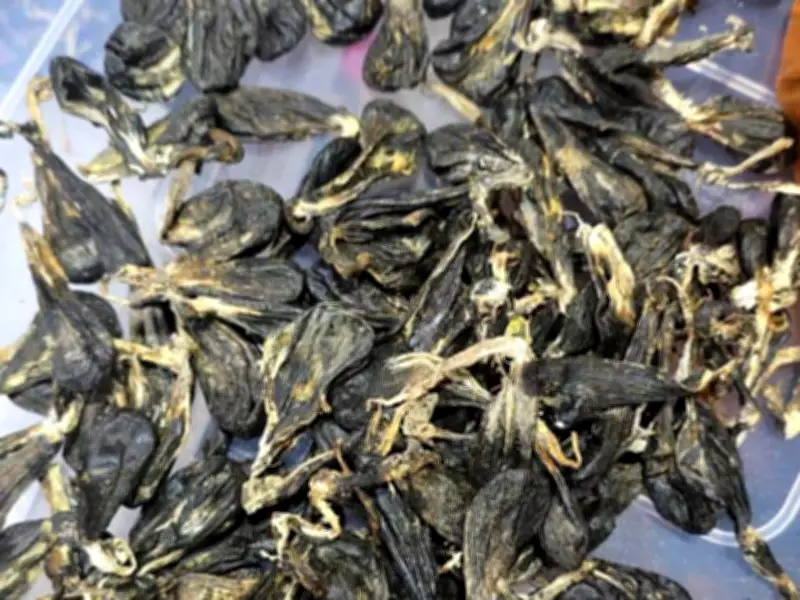
The Malaysia Wildlife Department provided evidence, including photographs, showing the confiscated python gallbladders. The seizure occurred on a Saturday in April 2026, with officials acting on intelligence related to illegal wildlife trade activities. This incident underscores the persistent challenges faced by enforcement agencies in curbing the trafficking of protected species.
Python gallbladders are often sought after in traditional medicine markets, driving demand that fuels poaching and illegal trade. The possession of such parts without proper permits violates Malaysian wildlife protection laws, which aim to safeguard biodiversity and prevent exploitation.

Legal Proceedings and Implications
The defendant, whose identity has not been fully disclosed, pleaded guilty to the charges, potentially facing penalties that include fines or imprisonment under Malaysian regulations. This case is part of broader regional efforts to address wildlife crime, which often involves cross-border networks targeting endangered species.
Authorities have emphasized the importance of international cooperation in combating such offenses, as illegal wildlife trade frequently spans multiple countries. The guilty plea may lead to a swift resolution, serving as a deterrent to others involved in similar activities.
Context of Wildlife Conservation in Malaysia
Malaysia, home to diverse ecosystems, has implemented strict laws to protect its wildlife, including pythons and other reptiles. The seizure in Johor highlights ongoing vigilance by the Malaysia Wildlife Department, which regularly conducts operations to intercept illegal trade.
- Increased surveillance and enforcement in wildlife hotspots.
- Collaboration with international agencies to track trafficking routes.
- Public awareness campaigns to reduce demand for illegal wildlife products.
This case adds to a growing number of incidents where individuals are prosecuted for wildlife-related offenses, reflecting a commitment to environmental justice and conservation. Experts note that while seizures are crucial, addressing the root causes of demand remains a long-term challenge.