U.S. Hunters and P.E.I. Conservation Officers Face Charges for Alleged Goose Hunting Violations
In a significant development for wildlife enforcement on Prince Edward Island, American hunters and local conservation officers have been formally charged for allegedly hunting Canada geese too close to residential properties. The charges stem from incidents that have raised serious questions about compliance with provincial hunting regulations designed to protect both wildlife and community safety.
Details of the Alleged Violations
The specific allegations center around hunting activities that occurred in proximity to homes, violating established distance requirements meant to ensure public safety and minimize disturbance to residential areas. Conservation officers from Prince Edward Island's Department of Environment, Energy and Climate Action are among those facing charges alongside visiting hunters from the United States.
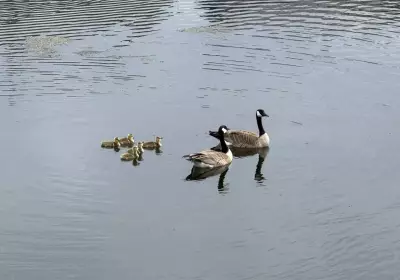
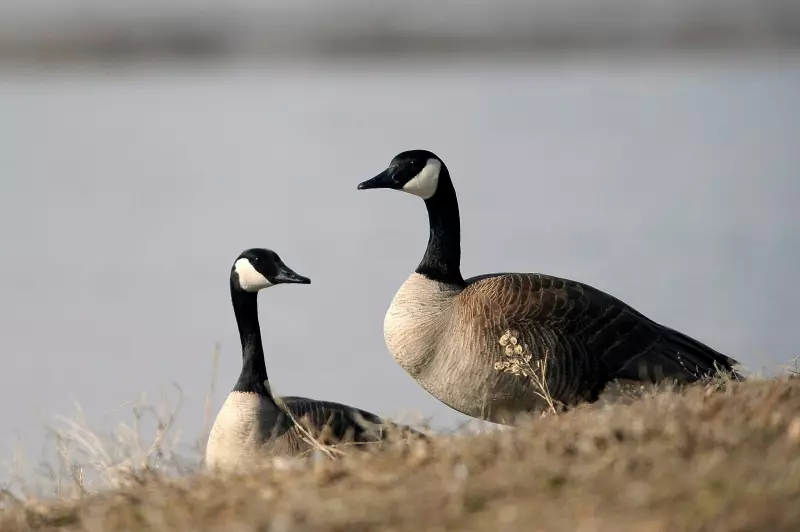
This case highlights the ongoing challenges in balancing recreational hunting traditions with modern community standards and wildlife conservation efforts. Canada geese, while abundant in many regions, are subject to specific hunting regulations that vary by province and municipality.

Broader Implications for Wildlife Management
The charges come at a time when many Canadian provinces are reevaluating their approach to wildlife management and hunting regulations. Prince Edward Island, like other jurisdictions, has established clear guidelines regarding hunting distances from dwellings, schools, and other occupied structures.
Conservation officers play a crucial role in enforcing these regulations, making their alleged involvement in violations particularly noteworthy. The case may prompt reviews of training protocols and enforcement procedures within provincial conservation departments.
Community and Environmental Considerations
Residential proximity violations represent more than just regulatory infractions—they raise legitimate concerns about public safety and community wellbeing. Hunting too close to homes can create noise disturbances, safety hazards, and conflicts between outdoor enthusiasts and local residents.
Canada geese populations have seen significant fluctuations in recent decades, with some areas experiencing overpopulation issues while others work to maintain sustainable numbers. Proper hunting practices, conducted in appropriate locations and following established regulations, remain an important tool in wildlife population management.
The outcome of this case will likely influence how both local and visiting hunters approach their activities in Prince Edward Island and may set precedents for similar situations in other provinces. As the legal process unfolds, wildlife authorities will be watching closely to determine what adjustments might be needed to their education, enforcement, and regulatory frameworks.