Sri Lankan authorities have made a significant arrest in a case that has horrified animal lovers and conservationists worldwide. Three men are now in custody for their alleged involvement in the brutal killing of a wild elephant by setting the animal on fire.
Details of a Heinous Crime
The arrests were confirmed on December 18, 2025, following an investigation into the disturbing incident. While the exact location and date of the elephant's killing were not specified in the initial report, the news service AFP brought the story to international attention. The act involved deliberately burning the elephant alive, a method of killing that has sparked particular revulsion for its extreme cruelty.
This case is not an isolated tragedy in Sri Lanka, where conflicts between humans and wildlife are a persistent challenge. The island nation is home to an estimated population of over 7,000 wild Asian elephants, a species classified as endangered. Incidents often occur when elephants venture into villages and farmland in search of food, leading to sometimes fatal confrontations.

A Nation's Complicated Relationship with Wildlife
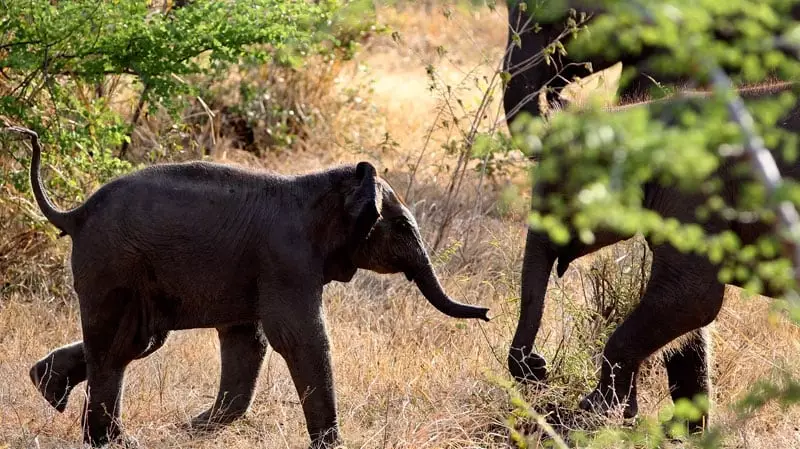
The arrest underscores the Sri Lankan government's ongoing struggle to balance conservation efforts with the safety and livelihoods of rural communities. National parks like Udawalawe, featured in a 2012 Associated Press photograph of an elephant calf, are vital sanctuaries. However, elephants frequently roam beyond protected boundaries.
Local media and wildlife groups often report on elephants being shot, poisoned, or killed by improvised explosives known as "hakkapatas." The method of burning, however, is considered exceptionally barbaric and has triggered a strong response from law enforcement. The swift arrest of the three suspects signals a potentially tougher stance on such severe acts of animal cruelty.
International Reaction and Conservation Implications
News of the arrest has circulated globally, drawing condemnation from international animal welfare organizations and the public. The case highlights the urgent need for effective conflict mitigation strategies, including secure fencing, early warning systems for villagers, and the creation of dedicated elephant corridors to allow safe passage between forest fragments.
For conservationists, each elephant death is a significant blow to the species' survival. The Asian elephant faces mounting threats from habitat loss and fragmentation across its range. Incidents like this burning not only represent an individual tragedy but also symbolize the intense pressure on these majestic animals as human settlements expand.
The legal proceedings against the three arrested men will be closely watched as a test of Sri Lanka's commitment to enforcing its wildlife protection laws. The outcome may set a precedent for how the country addresses the complex and often deadly interface between its human population and its iconic, yet vulnerable, wildlife.