Satellite Monitoring for a Resilient Sea Turtle
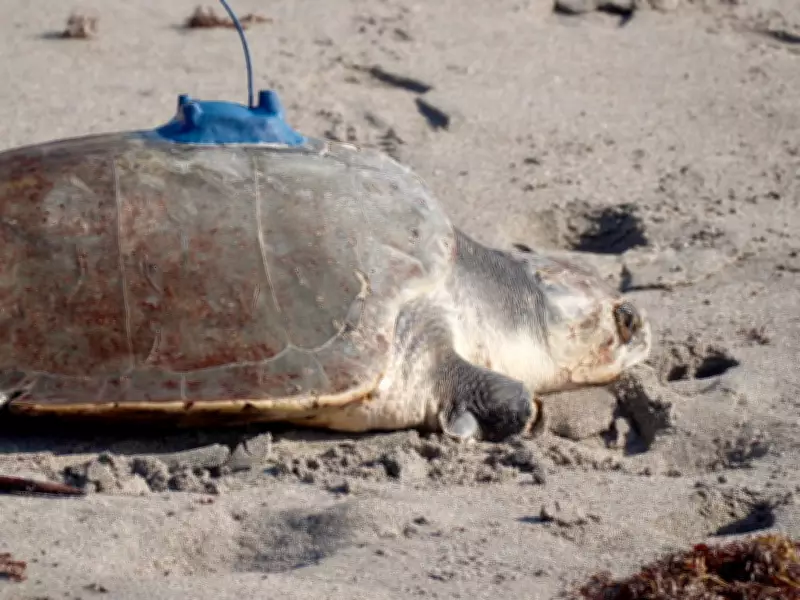
A remarkable story of survival and scientific advancement is unfolding in the Atlantic Ocean as a rehabilitated adult female Kemp's ridley sea turtle, now equipped with a satellite transmitter, is being tracked after her release. This individual, which has only three limbs, was set free on Wednesday, March 25, 2026, in Juno Beach, Florida, and is currently being monitored by researchers to gather crucial data on her movements and behavior.
A Triumph of Rehabilitation Efforts
The release event, captured in photographs, shows the determined turtle crawling toward the ocean, symbolizing a significant achievement in wildlife conservation. Kemp's ridley sea turtles are listed as critically endangered, making each successful rehabilitation and return to the wild a vital contribution to their population recovery. The turtle had undergone extensive care to address injuries and health issues before being deemed fit for release.
Advanced Technology in Conservation
The satellite tracking device attached to the turtle's shell allows scientists to follow her journey in real-time, providing insights into migration patterns, habitat use, and survival rates post-rehabilitation. This technology is instrumental in understanding how rehabilitated turtles adapt to their natural environment, especially those with physical challenges like limb loss. Data collected will help inform future conservation strategies and enhance protection measures for this vulnerable species.

- Monitoring the turtle's daily movements and diving behavior.
- Identifying critical foraging grounds and nesting sites.
- Assessing the long-term survival and health of rehabilitated individuals.
- Contributing to global efforts to protect Kemp's ridley sea turtles from threats such as pollution, fishing gear entanglement, and habitat loss.
Broader Implications for Marine Wildlife
This initiative highlights the growing role of technology in marine conservation, enabling more effective management of endangered species. By tracking this three-limbed turtle, researchers hope to not only aid her survival but also improve rehabilitation protocols for other injured marine animals. The project underscores the importance of collaborative efforts between rehabilitation centers, scientific institutions, and conservation organizations in safeguarding ocean biodiversity.