Saskatchewan government officials are urging residents to refrain from touching young wild animals they may encounter in nature. The message, summarized as 'look, but don't touch,' emphasizes that human interference can be detrimental to the animals' health and survival.
Why Avoiding Contact Is Crucial
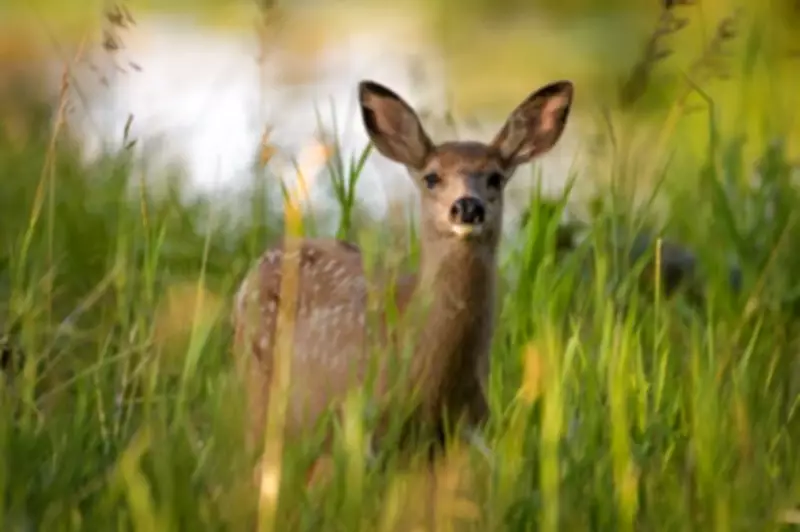
Wildlife experts explain that young animals are often left alone by their mothers for extended periods while the adults search for food. A seemingly abandoned fawn or cub may actually be under parental supervision from a distance. Removing or handling these animals can cause stress, lead to abandonment by the mother, or increase the risk of injury to both the animal and the person.
Risks to Humans
Beyond harming the animal, touching wildlife can expose humans to diseases such as rabies or parasites. Officials advise that even seemingly healthy animals can carry pathogens transmissible to people and pets.

What to Do If You Find a Young Animal
If residents encounter a young animal that appears injured or truly orphaned, they should contact local conservation officers or wildlife rehabilitation centers. Do not attempt to feed or move the animal. Keep pets away and observe from a safe distance.
The province reminds everyone that enjoying wildlife from afar is the best way to ensure both human safety and animal welfare.